

Table of Contents
Introduction to India Deregulation
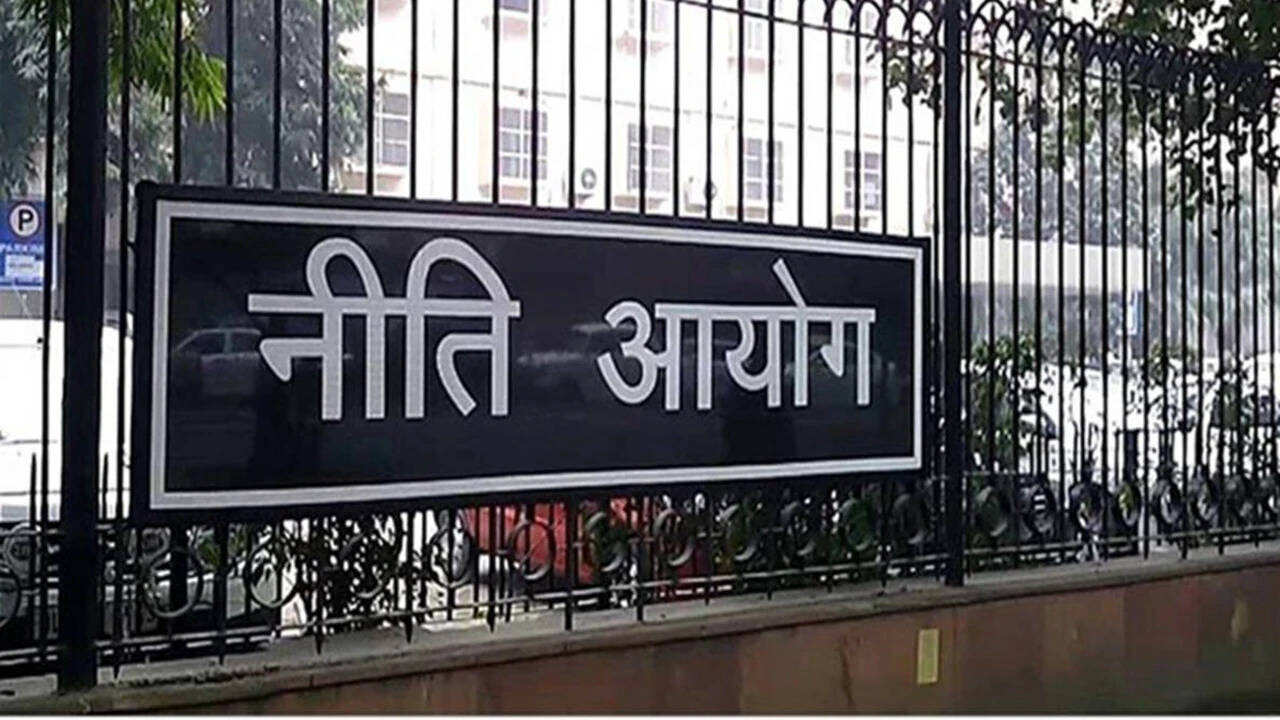
India deregulation is entering a transformative new chapter as administrative focus shifts from central government initiatives down to regional and local levels. According to recent insights from Niti Aayog member PK Gauba, the next phase of economic liberation and compliance reduction will heavily rely on state governments and municipal bodies. As the nation strives for accelerated economic growth, cutting red tape at the grassroots level has become an absolute necessity for businesses and entrepreneurs alike.

Policymakers discussing decentralised regulatory frameworks for local governance.
The Vital Role of States and Municipalities
Historically, significant regulatory burdens stemmed from overlapping central and state laws. However, future policy evolution targets the specific bottlenecks maintained by local authorities. State governments and urban local bodies possess the direct oversight required to dismantle outdated municipal bylaws, licensing frameworks, and inspection regimes that hinder small and medium-sized enterprises.
Decentralizing Power for Better Governance
Empowering local authorities ensures that regulatory changes align with regional economic realities. A one-size-fits-all national policy often fails to address the unique commercial ecosystems found across India’s diverse states. By encouraging competitive federalism, states are now motivated to streamline local approvals to attract domestic and foreign investment.
- Streamlining local business licenses and trade permits
- Reducing mandatory physical inspections through digital self-certifications
- Enhancing transparency in municipal land allocation and construction approvals
- Promoting ease of doing business rankings among municipal corporations
Key Reform Areas and Compliance Burdens
The core objective of the upcoming regulatory overhaul is the systematic elimination of redundant compliance requirements. Thousands of minor offences and criminalized procedural lapses are being reviewed to safeguard honest entrepreneurs from unnecessary legal harassment. Furthermore, the integration of digital single-window systems at the municipal level aims to eradicate corruption and procedural delays.

Digital portals are replacing paperwork to accelerate local business approvals.
Tackling Compliance Overload
Businesses operating at the city level frequently report difficulties dealing with multiple municipal departments. The push for India deregulation seeks to unify these departments under cohesive digital ecosystems where approvals happen seamlessly without human intervention. This shift not only reduces operational costs for enterprises but also improves revenue collection for local municipal bodies.
Expected Economic Impact and Growth
Transforming the regulatory landscape at the municipal tier unlocks immense economic potential. When small businesses spend less time navigating bureaucracy, they can focus entirely on scaling operations, generating employment, and driving innovation. Economists predict that localized regulatory reform will serve as a major catalyst for reaching ambitious national GDP growth targets.
| Reform Tier | Previous Challenge | New Deregulation Focus |
|---|---|---|
| Central Level | Complex corporate tax and FDI rules | Simplification of overarching statutes |
| State Level | Rigid labor and land acquisition laws | Flexible frameworks and digital clearances |
| Municipal Level | Redundant trade licenses and inspections | Automated self-certifications and unified portals |
Conclusion
Ultimately, the success of India deregulation hinges on the proactive participation of local leaders, bureaucrats, and municipal administrators. By shifting the reform momentum from New Delhi to India’s countless towns and cities, the country is building a resilient foundation for long-term economic prosperity. As states embrace these decentralized changes, the business environment will become increasingly transparent, competitive, and welcoming to investors worldwide.