

Table of Contents
Introduction
Artificial reefs have increasingly become a cornerstone of modern marine conservation strategies around the globe. When we examine how marine ecosystems recover from overfishing and habitat destruction, innovative projects offer remarkable insights. A prime example involves a unique initiative where authorities deployed decommissioned military hardware directly into coastal waters. This strategy has demonstrated how unexpected materials can foster thriving underwater habitats.

Understanding Artificial Reefs
Marine biologists and environmental scientists utilize artificial reefs to mimic the characteristics of natural rocky reefs. These submerged structures provide hard substrate where corals, sponges, and algae can attach and grow. Over time, these foundational species attract a diverse array of marine life, ranging from small invertebrates to large predatory fish.
Why Submerged Structures Matter
Natural coral reefs face severe threats from climate change, ocean acidification, and destructive human activities. Deploying engineered or repurposed structures helps alleviate pressure on natural reefs by creating alternative habitats for fish populations to spawn, feed, and find shelter from predators.
The 2010 Thailand Tank Sinking Initiative
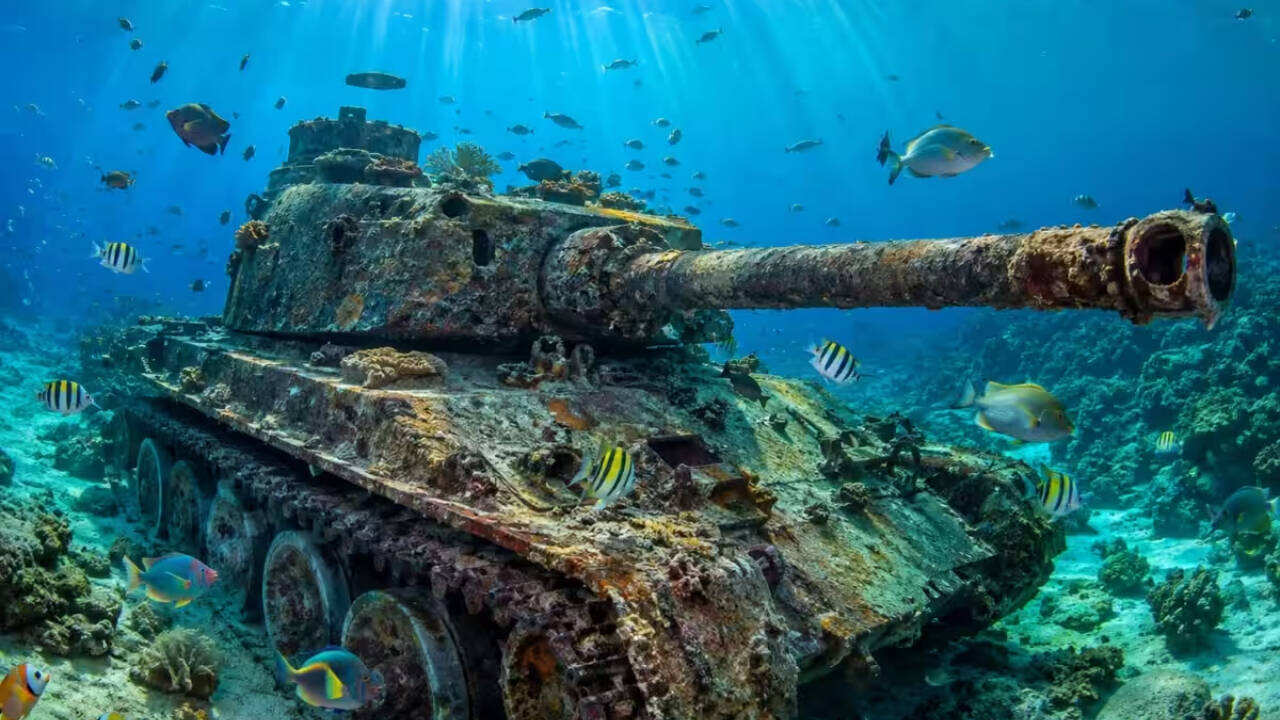
In 2010, environmental authorities and the Royal Thai Army undertook a bold conservation experiment in the Gulf of Thailand. Instead of scrapping retired military hardware, officials decided to submerge 25 decommissioned battle tanks off the coast of Narathiwat and Pattani provinces. The primary objective was to rehabilitate depleted local fishing grounds and boost regional biodiversity.

Project Execution and Placement
Careful planning preceded the deployment to ensure the heavy metal structures landed on sandy seabeds where they would not crush existing coral colonies. Marine scientists mapped the coordinates to monitor the long-term ecological succession and structural integrity of the submerged vehicles.
Ecological Impact and Marine Recovery
Nearly a decade after the initial deployment, comprehensive marine surveys revealed astonishing results. Researchers documented that at least 53 distinct fish species had established thriving populations around the sunken metal hulls. The metallic surfaces quickly transformed into vibrant ecosystems.
Key Findings From Marine Surveys
- Rapid colonization by encrusting organisms like barnacles and oysters.
- Establishment of permanent territories by commercially valuable fish species.
- Significant reduction in illegal trawling activities due to physical seabed obstructions.
- Enhanced local fisheries support for coastal communities.

Future Outlook for Marine Conservation
The resounding success of the Thai initiative has prompted international interest in repurposing heavy machinery and industrial structures for marine restoration. Governments and conservation groups are evaluating similar programs worldwide, balancing environmental benefits with strict environmental safety standards to ensure no toxic materials leach into the marine environment.

Conclusion
The strategic deployment of artificial reefs using repurposed materials demonstrates a powerful method for restoring damaged marine environments. By giving retired infrastructure a second life beneath the waves, conservationists can successfully rebuild depleted ecosystems and support sustainable fisheries for generations to come.