
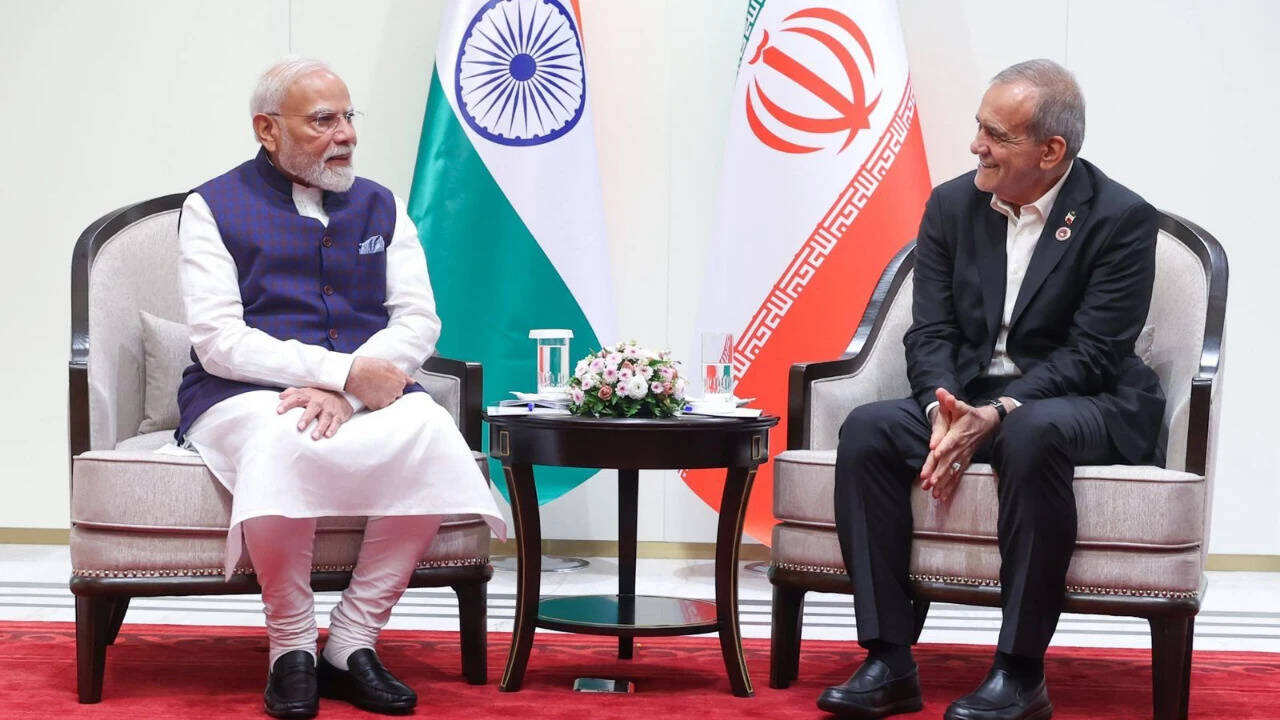

Welcome to our comprehensive analysis of the latest geopolitical developments surrounding the BRICS partnership. In recent diplomatic engagements, leadership has successfully doubled down on strengthening bilateral ties with Iran, seeking a robust win-win strategy that promises to reshape regional trade and multilateral cooperation. As international stakeholders look toward upcoming multilateral summits, anticipation is mounting for a definitive declaration that could further solidify economic and diplomatic alliances.
Table of Contents
Understanding the BRICS Partnership and Iran
The evolving architecture of international relations continues to prioritize expanded dialogue among emerging economies. By integrating nations like Iran into broader collaborative frameworks, global leaders aim to foster stability, enhance energy security, and promote alternative financial mechanisms. The ongoing commitment to friendship and mutual growth serves as a cornerstone for these diplomatic efforts.

Diplomats gather to discuss multilateral frameworks and regional cooperation.
Diplomatic Foundations
Diplomatic channels between major Asian economies and Tehran have remained active, focusing on shared interests in regional connectivity, maritime security, and infrastructure development. Projects such as the International North-South Transport Corridor (INSTC) highlight the tangible benefits of these cooperative policies.
Economic Implications and Strategic Trade
A successful win-win strategy heavily relies on diversified trade portfolios and reduced reliance on singular monetary systems. Analysts suggest that deepening economic ties can mitigate the adverse effects of unilateral sanctions, offering participating nations greater financial autonomy.
| Key Area | Strategic Objective | Expected Outcome |
|---|---|---|
| Energy Cooperation | Securing stable oil and gas supplies | Enhanced energy security |
| Transit & Logistics | Optimizing corridor connectivity | Reduced shipping times and costs |
| Financial Systems | Promoting local currency trade | Lower transaction risks |
Multilateral Growth and Investment
Beyond bilateral trade, integrating Iran into multilateral blocs creates new pathways for foreign direct investment. Member states benefit from expanded market access, fostering long-term resilience against global economic fluctuations.
Geopolitical Significance in 2026
As the international community navigates complex geopolitical shifts, the strategic positioning of emerging alliances becomes increasingly vital. The anticipation surrounding forthcoming declarations reflects a shared desire for a multipolar world order that respects national sovereignty and equitable development.
Future Outlook
Moving forward, the implementation of agreed-upon frameworks will dictate the true success of these diplomatic overtures. Continuous dialogue and adaptive policymaking remain essential tools for navigating potential regional challenges.
Conclusion
In summary, the renewed emphasis on bilateral friendship and cooperative multilateralism marks a significant milestone in modern diplomacy. By pursuing a balanced win-win strategy, participating nations are paving the way for a more integrated and stable international community. Stakeholders worldwide will be closely monitoring how these commitments translate into actionable policies during upcoming high-level summits.