

Table of Contents
Introduction
The diplomatic landscape of South Asia is witnessing subtle yet significant engagements as religious and political figures navigate complex international relations. Recently, the announcement regarding Mirwaiz Umar Farooq accepting an invitation to attend an event hosted by the Iranian leadership in the national capital has drawn considerable attention from analysts and observers alike. This development places the prominent Kashmiri religious leader at the center of international diplomatic discourse, highlighting the multifaceted ties connecting regional entities with global diplomatic players like Iran.
Understanding the weight of this upcoming engagement requires examining the broader historical context of India-Iran relations, the unique position of religious leadership in Kashmir, and the diplomatic nuances involved when non-state or regional actors participate in high-level state functions.
Mirwaiz Umar Farooq Visit Details
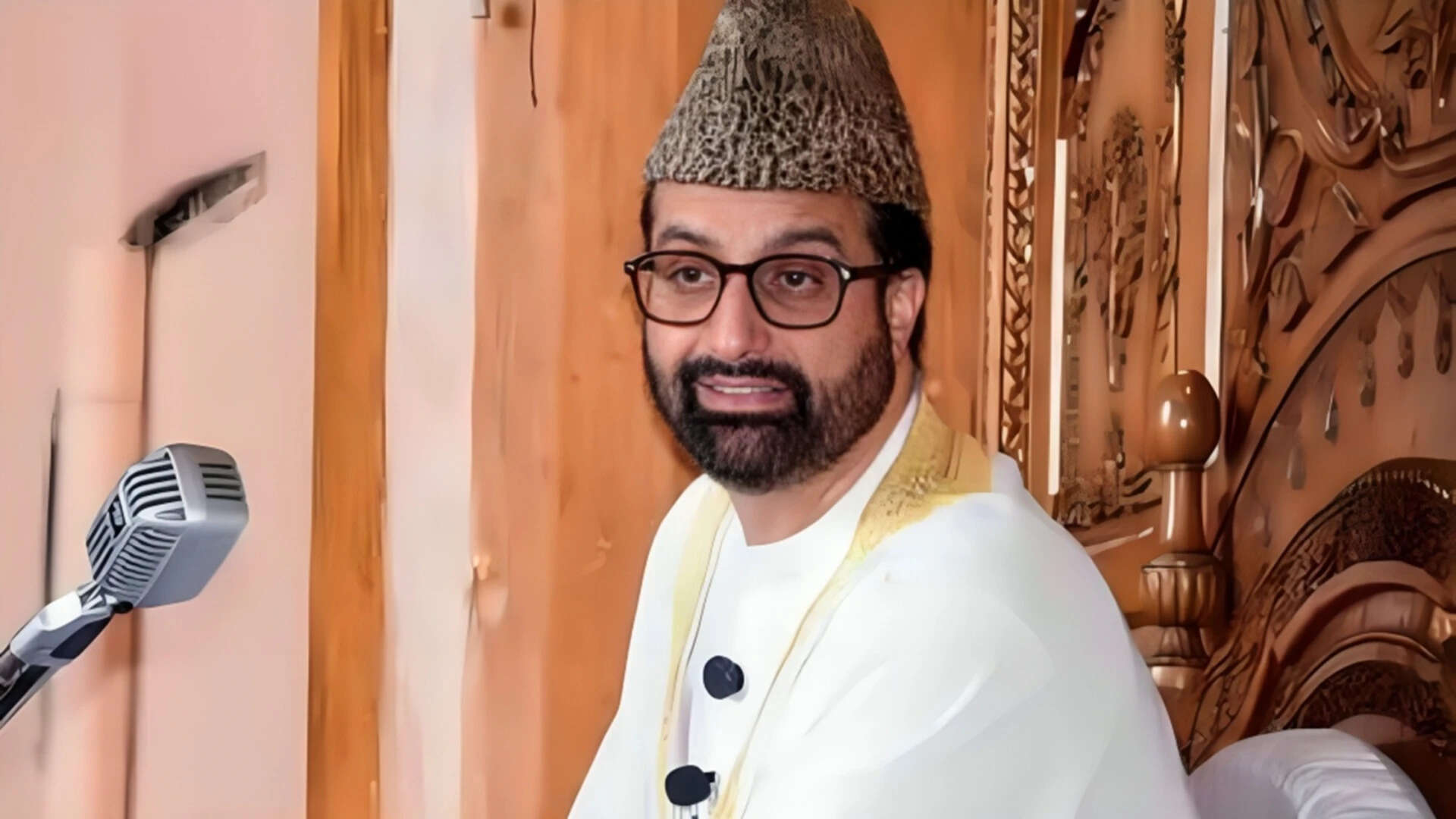
Mirwaiz Umar Farooq, the chief cleric of Jammu and Kashmir and chairman of the Hurriyat Conference, has reportedly received and accepted an invitation to participate in an upcoming event associated with the Iranian presidency in New Delhi. Such high-profile invitations are rare and often carry deep cultural, religious, and political symbolism.
Key aspects of the scheduled visit include:
- High-Level Engagement: Participation in a specially curated diplomatic and cultural gathering organized by Iranian representatives.
- Religious and Cultural Dialogue: Opportunities to discuss matters of mutual interest concerning Islamic heritage, community welfare, and cross-cultural understanding.
- National Capital Venue: Conducting the meeting in New Delhi underscores the central government’s awareness and regulatory oversight of foreign diplomatic engagements involving regional leaders.
For the Mirwaiz, interacting with international dignitaries in the national capital provides a platform to articulate regional perspectives and engage with global diplomatic channels that maintain active ties with both India and various communities within Jammu and Kashmir.
India-Iran Diplomatic Context
To fully grasp the implications of Mirwaiz Umar Farooq attending an Iranian presidential event, one must consider the historical and strategic relationship between New Delhi and Tehran. India and Iran share centuries-old civilizational, cultural, and trade connections, which have evolved significantly in the modern geopolitical era.
Despite facing various international sanctions and shifting global alliances, bilateral ties between India and Iran have remained resilient. Key areas of cooperation include:
- Energy Security: Historical trade in petroleum products and energy resources.
- Strategic Infrastructure: Collaborative development of the Chabahar Port, which provides India access to Afghanistan and Central Asia, bypassing land routes through Pakistan.
- Cultural Exchanges: Deep-rooted linguistic, literary, and religious ties that foster mutual goodwill among diverse populations in both nations.
When Iranian officials host events in New Delhi, they frequently invite a diverse cross-section of Indian society, including religious leaders, academics, and cultural icons, to reinforce friendly ties across multiple spectrums.
Geopolitical Significance
The involvement of a prominent Kashmiri leader in an event tied to the Iranian presidency carries notable geopolitical layers. Iran has traditionally maintained a nuanced stance on various regional issues, balancing its warm strategic partnership with India while occasionally offering rhetorical commentary on matters concerning Muslim populations globally.
However, Tehran also strictly adheres to diplomatic protocols and respects the internal sovereignty of partner nations like India. Consequently, engagements of this nature are typically viewed through the lens of cultural diplomacy, religious fraternity, and people-to-people outreach rather than overt political interference.
Observers will closely monitor the rhetoric and outcomes stemming from this gathering to gauge how regional leaders navigate international platforms while operating within domestic legal and political frameworks.
Conclusion
The participation of Mirwaiz Umar Farooq in the upcoming Iranian presidential event in New Delhi highlights the enduring importance of cultural and religious diplomacy. As India and Iran continue to nurture their strategic bilateral relationship, interactions involving prominent regional figures add depth to the broader diplomatic dialogue. Ultimately, this event serves as a reminder of the complex web of domestic and international interests intersecting in India’s capital, where regional leadership and global diplomacy continuously interact.