

Table of Contents
Introduction
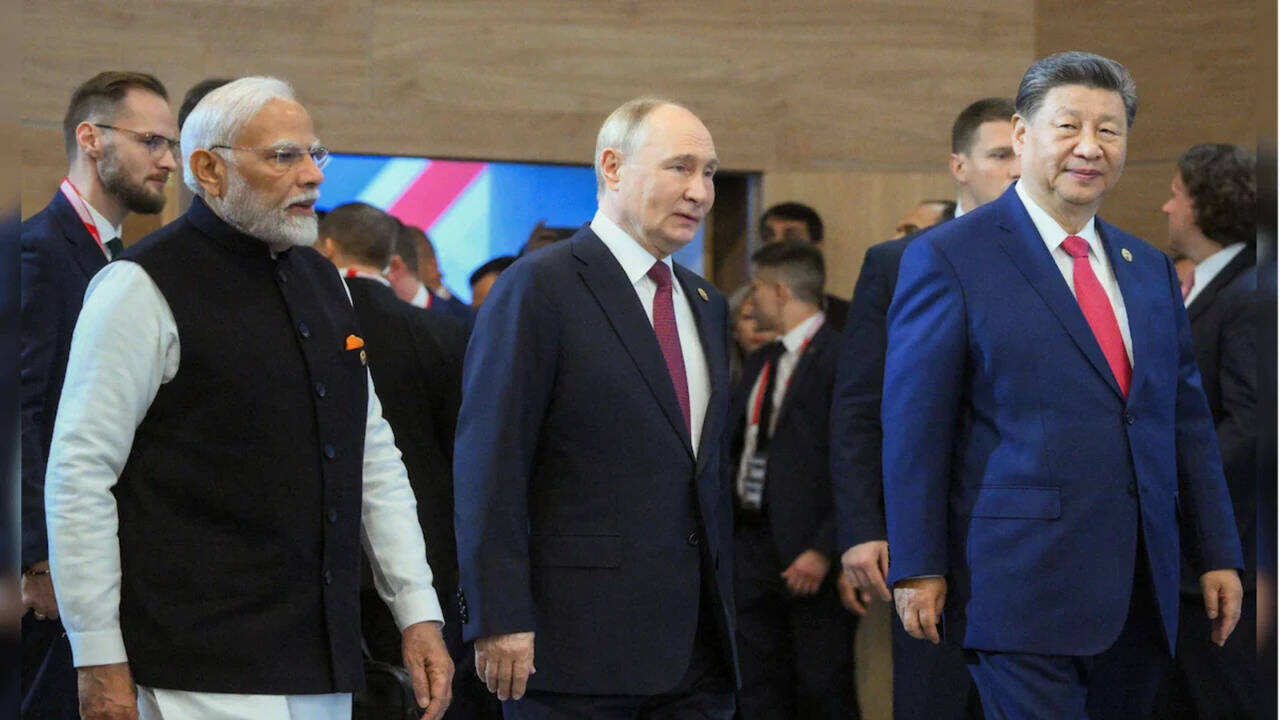
The Brics summit represents a pivotal moment for international diplomacy, economic strategy, and geopolitical realignment. As world leaders gather to discuss pressing global challenges, Indian Prime Minister Narendra Modi has emphasized a shared aspiration for collective prosperity, sustainable development, and inclusive multilateralism.

Understanding the Brics Summit Context
Over the past decade, the bloc has expanded its membership and increased its economic footprint significantly. Originally comprising Brazil, Russia, India, China, and South Africa, the group now includes several new partner economies, amplifying its voice on the international stage.
The Evolution of Multilateral Cooperation
Multilateral institutions face unprecedented strain due to trade protectionism, geopolitical tensions, and post-pandemic economic recovery hurdles. Within this framework, the summit serves as a crucial platform for emerging economies to voice their perspectives on global governance reform.
PM Modi’s Vision for Global Well-Being
Prime Minister Modi’s recent statements ahead of the high-level diplomatic meetings highlighted India’s commitment to bridging divides between the Global North and the Global South. By prioritizing human-centric development, technology sharing, and climate resilience, New Delhi continues to champion policies that foster equitable growth.
Key Pillars of India’s Diplomatic Approach
- Sustainable development and green energy transitions
- Reforming global financial architectures like the UN and WTO
- Enhancing digital public infrastructure across developing nations
- Strengthening food and energy security networks
Economic Cooperation and Multilateralism
Economic resilience remains at the heart of the ongoing dialogues. Member states are actively exploring local currency settlements, reducing reliance on traditional Western-dominated financial systems, and expanding intra-bloc trade agreements.

Conclusion
Ultimately, the Brics summit highlights the shifting dynamics of global power, moving steadily toward a multipolar world order. Through collaborative leadership and a shared commitment to global well-being, participating nations aim to construct a more resilient and equitable future for all citizens.