

Table of Contents
- Introduction
- Background of the Controversy
- Supreme Court Intervention
- Administrative Action and Suspension
- Broader Legal Implications
- Conclusion
Introduction
Suspended magistrate actions have recently drawn intense national scrutiny, highlighting the delicate balance between judicial authority and constitutional rights in India. When a judicial officer oversteps legal boundaries, the fallout can prompt severe administrative measures. This comprehensive review examines the recent events surrounding a controversial legal notice issued to a student, the ensuing Supreme Court intervention, and the ultimate suspension of the judicial official involved. Understanding this case requires a close look at how administrative oversight functions within the Indian legal framework.

Legal documents and notices issued by judicial authorities undergo strict scrutiny.
Background of the Controversy
The controversy began when a local magistrate issued an arbitrary notice to a student, sparking widespread debate among legal experts and civil rights advocates. Such notices typically fall outside the standard procedural norms unless justified by specific statutory provisions. Critics argued that the action infringed upon personal liberties and demonstrated a heavy-handed approach by local authorities.
The Nature of the Notice
The contentious notice demanded immediate compliance and explanations regarding actions that were well within the student’s lawful rights. Legal observers quickly pointed out procedural flaws, noting that the magistrate failed to establish a valid legal foundation for the directive. This misstep drew immediate concern from higher legal forums.
Public and Institutional Reaction
As news of the notice spread, various legal associations and student bodies voiced strong opposition. The incident raised critical questions about the training, accountability, and temperament required of judicial officers handling sensitive local disputes. Public pressure mounted for a thorough investigation into the matter.
Supreme Court Intervention
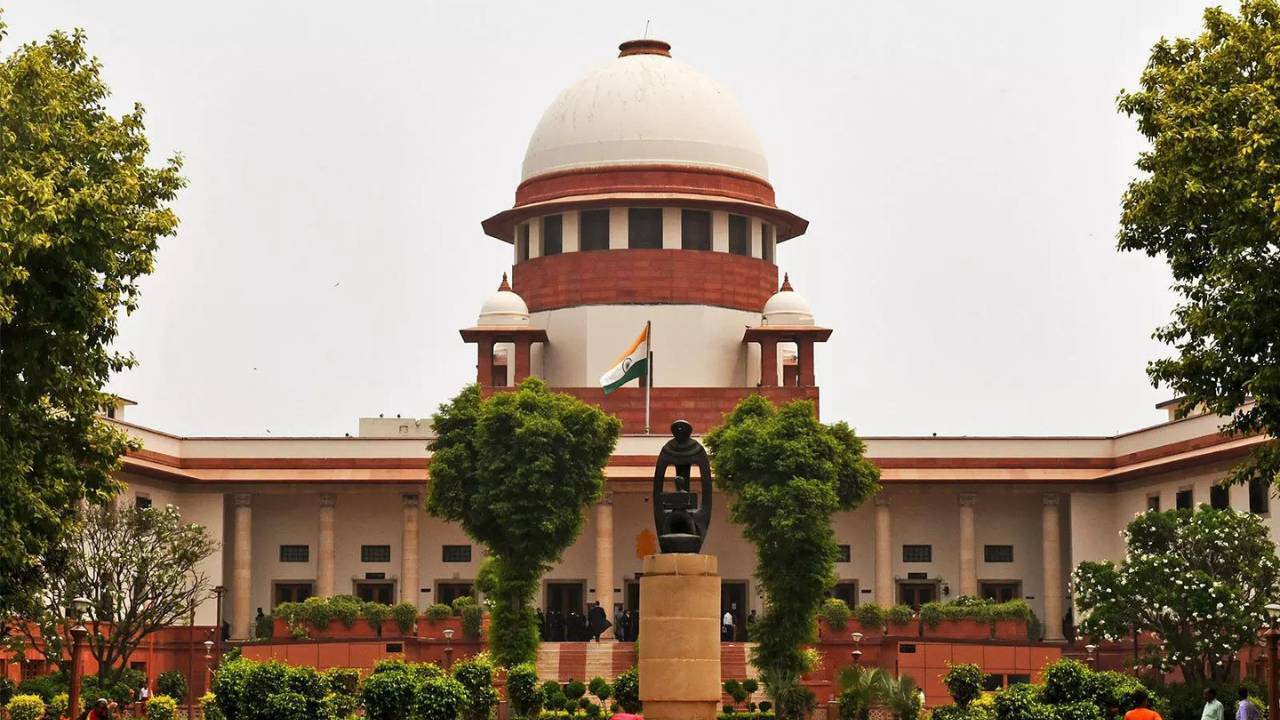
The apex court took direct cognizance of the issue, recognizing the potential threat to fundamental rights posed by arbitrary judicial overreach. The Supreme Court of India frequently steps in when lower authorities abuse procedural powers, ensuring that constitutional protections remain uncompromised.
Key Observations by the Bench
During the hearings, the Supreme Court bench expressed deep dismay over the manner in which the notice was served. The judges emphasized that judicial officers must exercise caution, restraint, and strict adherence to due process. The court noted that administrative power should never be used as an instrument of intimidation against citizens or students.
To maintain transparency, the court sought detailed explanations from the state administration regarding the institutional safeguards in place. This judicial oversight served as a powerful reminder of the checks and balances inherent in the Indian judicial system.
Administrative Action and Suspension
Following the stern observations made by the highest court, the state government and relevant administrative authorities moved swiftly to address the misconduct. The official responsible for issuing the flawed directive faced immediate disciplinary measures.
Details of the Suspension
| Parameter | Details |
|---|---|
| Action Taken | Suspension pending inquiry |
| Authority Responsible | State Administrative/Judicial Department |
| Trigger Event | Supreme Court scrutiny over a student notice |
| Status | Ongoing departmental proceedings |
The suspension serves as a clear signal that accountability is paramount within the judiciary. Departmental inquiries are currently underway to determine whether further disciplinary actions, including demotion or formal censure, are warranted.
Broader Legal Implications
This high-profile incident has triggered wider conversations regarding judicial accountability and administrative reforms across India. Ensuring that local magistrates operate within strict legal boundaries prevents the recurrence of similar overreaches.
Need for Enhanced Training
Legal experts have stressed the importance of continuous judicial education. Magistrates and local officials must undergo rigorous training programs focused on human rights, constitutional law, and procedural correctness. Such measures help mitigate the risk of impulsive or legally unsound decisions.
Conclusion
The swift action taken against the suspended magistrate underscores the resilience and responsiveness of the Indian legal system. By holding judicial officers accountable to the highest standards of fairness, institutions protect citizen rights and maintain public trust. As the departmental inquiry progresses, this case will undoubtedly remain a crucial benchmark for judicial conduct and administrative oversight.