

Table of Contents
Introduction: The Push for Brics Economic Integration
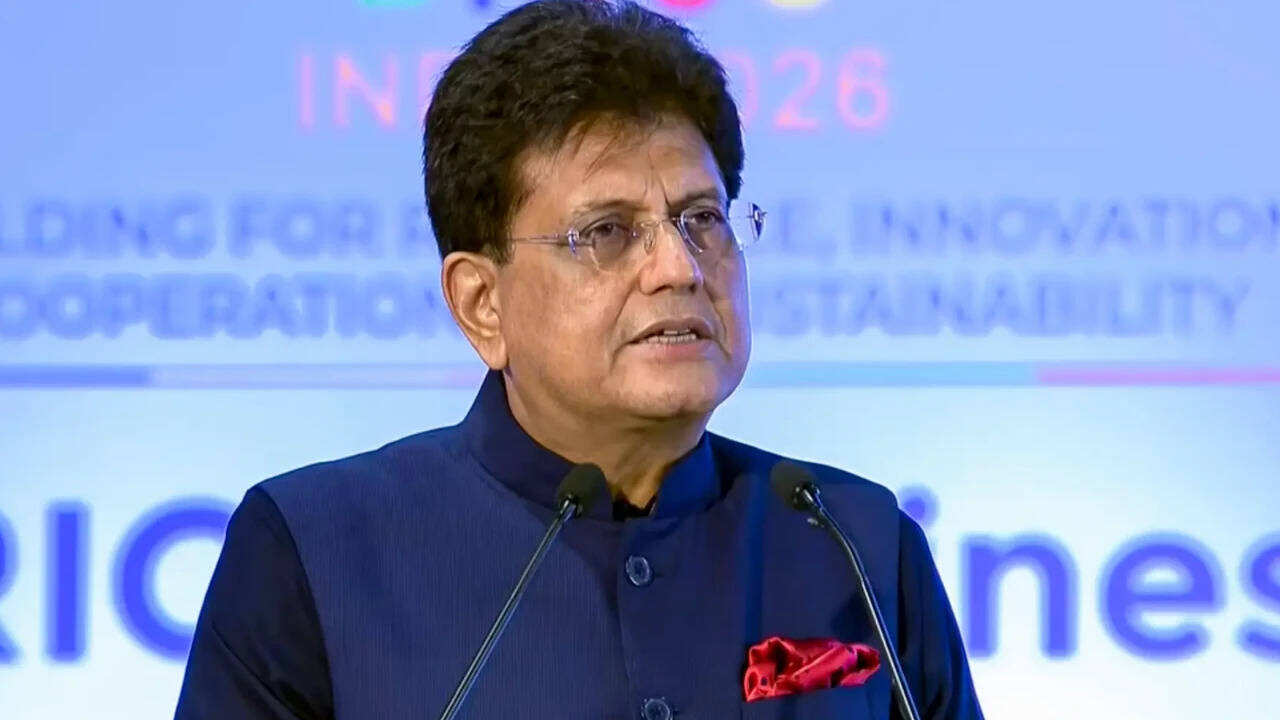
Brics trade barriers represent a significant hurdle for emerging economies seeking deeper cooperation, according to recent high-level ministerial discussions. Indian Commerce and Industry Minister Piyush Goyal has strongly advocated for the removal of restrictive regulatory frameworks among member states. By streamlining customs procedures and fostering open markets, the bloc can unlock unprecedented economic potential.

The global economic landscape requires agile responses to supply chain disruptions and protectionist tendencies. Consequently, emerging economies are looking inward and laterally to build robust, self-sustaining trade corridors. This comprehensive overview examines the strategic proposals put forward by Indian leadership during recent diplomatic and economic forums.
Dismantling Trade Barriers for Brics Nations
Addressing the complex web of tariffs, non-tariff measures, and administrative hurdles remains a top priority for expanding commercial ties. Minister Goyal emphasized that sustainable growth within the alliance depends entirely on lowering these historical walls.
- Reduction of arbitrary customs delays at major ports and borders.
- Harmonization of product standards and regulatory compliance requirements.
- Elimination of redundant licensing procedures for manufacturers and exporters.
When nations engage in commerce without unnecessary friction, both consumers and businesses reap the rewards of lower costs and faster delivery times. Furthermore, reducing Brics trade barriers sets a positive global precedent for multilateral cooperation.
Enhancing Professional Mobility Across Borders
Beyond physical goods, the modern economy thrives on the exchange of specialized services, intellectual property, and human capital. Allowing the seamless movement of skilled personnel is just as vital as moving manufactured products.
The Need for Mutual Recognition Agreements
Professionals such as engineers, doctors, IT experts, and financial analysts often face bureaucratic nightmares when trying to practice their trades in partner nations. Establishing mutual recognition of academic degrees and professional certifications will bridge critical talent gaps.

| Sector | Current Challenge | Proposed Solution |
|---|---|---|
| Information Technology | Visa processing delays | Fast-track tech visas |
| Healthcare | Non-transferable medical licenses | Standardized certification exams |
| Engineering | Divergent safety codes | Unified regional engineering standards |
Integrating Payment Systems and Local Currency Trading
Financial sovereignty and resilience against external economic shocks require innovative mechanisms for cross-border settlements. Goyal highlighted the critical need to link national payment systems and encourage commerce denominated in domestic currencies.
Relying heavily on a single dominant global currency exposes developing nations to volatility, currency fluctuations, and geopolitical weaponization of financial networks. By trading in local currencies, member states can:
- Lower transaction and foreign exchange conversion costs.
- Protect foreign exchange reserves from sudden global market shifts.
- Strengthen domestic banking institutions and regional payment gateways.
External Affairs Minister S Jaishankar on Transparency
Echoing the sentiments on economic integration, External Affairs Minister S Jaishankar placed heavy emphasis on transparency, predictability, and fairness in international trade and investment practices. Open governance fosters long-term investor confidence.
“Transparent trade practices and reliable investment ecosystems are the foundational blocks upon which sustainable international partnerships are built.”
Without clear rules and predictable governance, businesses hesitate to commit capital to foreign markets. Aligning legal frameworks ensures that investors are protected against arbitrary policy shifts.
Conclusion
The roadmap outlined by Indian ministers presents a compelling vision for the future of emerging market cooperation. Overcoming Brics trade barriers, fostering professional mobility, and modernizing financial transactions will create a resilient economic bloc capable of navigating 21st-century global challenges successfully.