
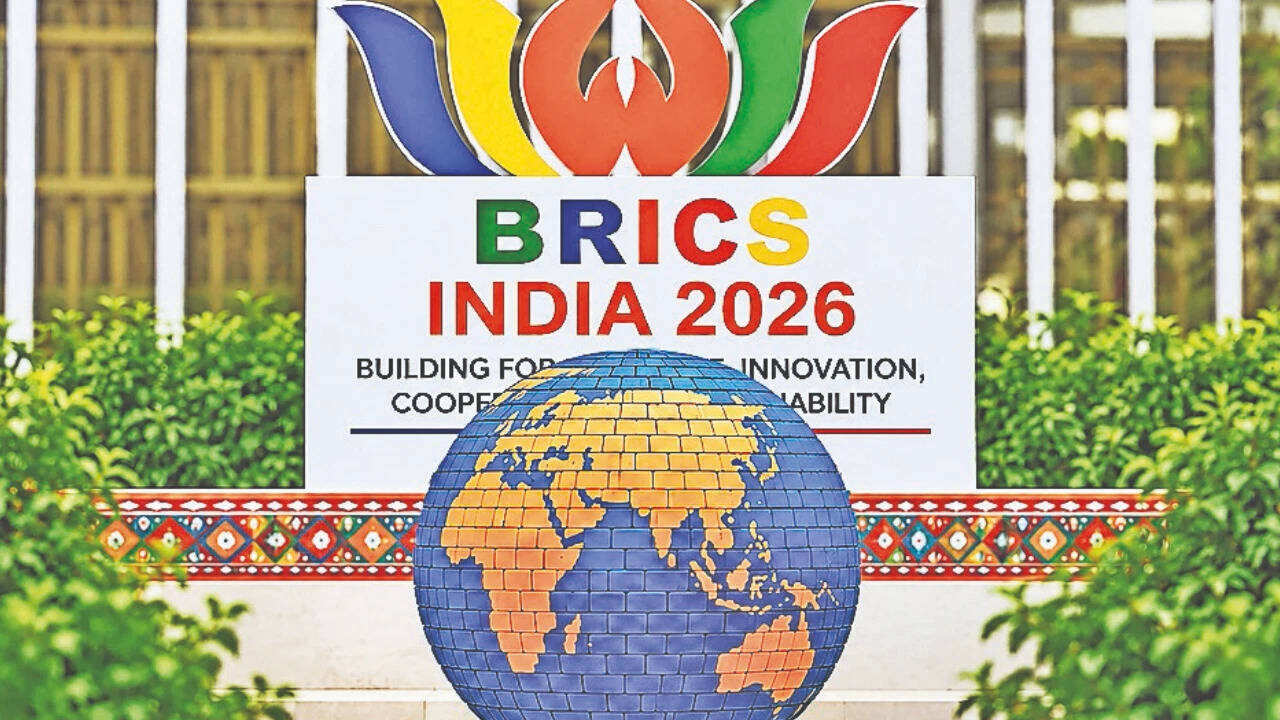

When international summits conclude, diplomats often point to a long list of achievements, but the lack of a clear united declaration frequently raises questions about true consensus. Diplomatic declaration efforts have historically served as the cornerstone of multilateral cooperation, yet modern geopolitical divides often complicate the path to a shared final statement. Understanding how international bodies negotiate these complex frameworks provides crucial context for evaluating global governance today.
Table of Contents
Understanding Diplomatic Declaration Challenges
Negotiating a collective statement among dozens of sovereign nations is an intricate process. Every word, comma, and nuance undergoes intense scrutiny by delegates who must protect their national interests while projecting an image of international unity. When officials report numerous specific outcomes but fail to secure a single cohesive text, it usually indicates deep-seated disagreements on key geopolitical flashpoints.

Diplomats engaged in rigorous negotiations during a high-level summit.
The Role of Consensus in Multilateral Forums
Most major international organizations operate on a consensus-based model. This means that a single dissenting nation can block a final joint communique. Consequently, when consensus proves elusive, organizers pivot toward highlighting individual deliverables, bilateral agreements, and working group results rather than a sweeping overarching accord.
The Reality of Summit Outcomes
While the absence of a unified text can be interpreted as a diplomatic failure, officials frequently argue that tangible working outcomes matter more than symbolic declarations. These practical deliverables often span multiple vital sectors:
- Economic cooperation and supply chain resilience initiatives
- Technological standards and cybersecurity partnerships
- Environmental protection and climate finance commitments
- Public health resilience and cross-border medical research
By focusing on these concrete deliverables, international forums attempt to demonstrate ongoing productivity even when political consensus on contentious geopolitical topics breaks down.
Navigating Geopolitical Divides
Modern multilateral diplomacy faces unprecedented strain due to competing strategic interests among global powers. Disagreements over regional conflicts, trade policies, and international law regularly spill into technical negotiations. As a result, crafting a comprehensive diplomatic declaration becomes nearly impossible without watering down the text to the point of irrelevance. Rather than issuing a weak statement, participating nations sometimes choose transparency regarding their disagreements while continuing practical cooperation in areas of mutual interest.
Conclusion
Ultimately, the tension between claiming numerous functional outcomes and struggling to produce a united declaration highlights the evolving nature of international diplomacy. As global challenges grow more complex, the metric of success is shifting from symbolic rhetoric to practical, actionable cooperation. Observers must look beyond the final communique to assess the true long-term impact of these major global gatherings.