
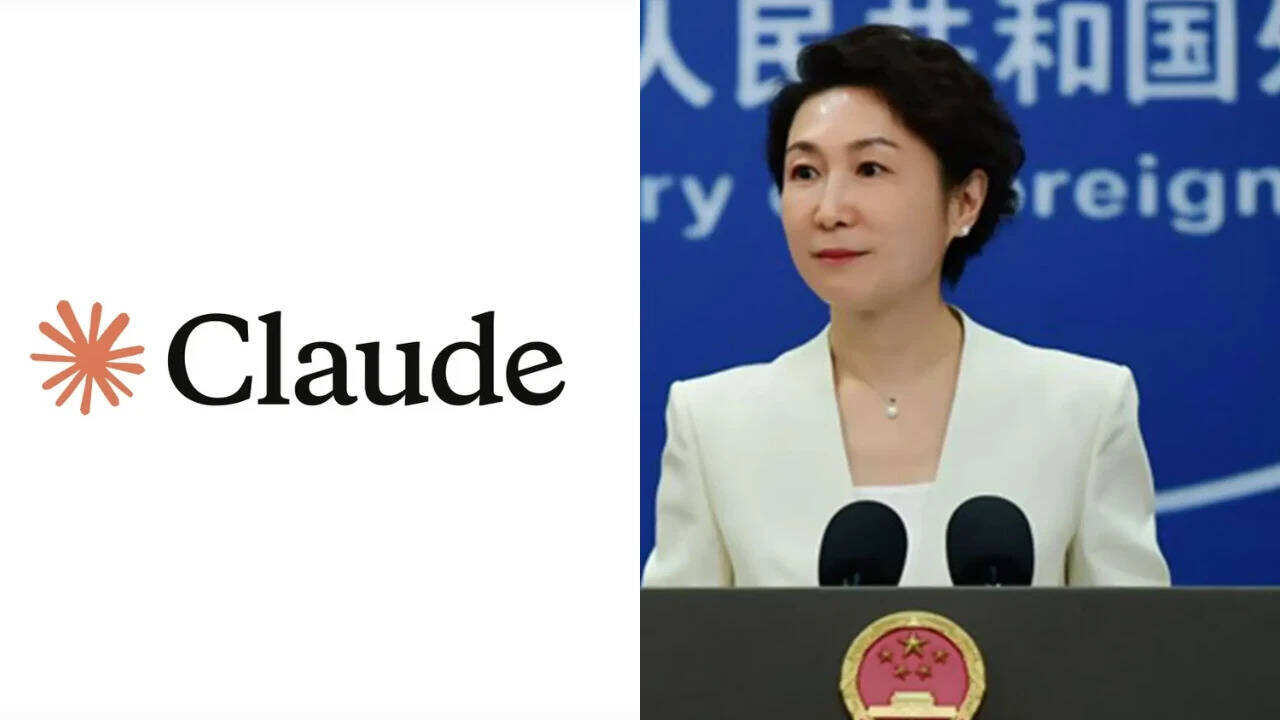

Artificial intelligence training disputes have reached a new geopolitical milestone as China AI training practices face intense global scrutiny following recent allegations by prominent US tech firm Anthropic. In a rapidly evolving technological landscape where intellectual property and model sovereignty dictate market dominance, accusations regarding unauthorized data scraping and model distillation have become increasingly common. This comprehensive analysis explores the background of the dispute, the official reactions from Beijing, and the broader implications for the global artificial intelligence industry.
Table of Contents
Background of the Dispute
The intersection of international relations and cutting-edge machine learning has created a complex web of regulatory challenges. As nations race to establish supremacy in foundational models, the methods used to gather training data are subjected to unprecedented levels of oversight. Companies invest billions of dollars into curating high-quality datasets and fine-tuning models like Claude, making data protection a paramount commercial priority.
Over the past few years, cross-border data flows have grown restricted. Regulatory bodies in both Western and Eastern jurisdictions have implemented stringent controls over how domestic data is utilized and transferred internationally. Consequently, any suggestion that domestic models are being trained on proprietary foreign architecture triggers immediate legal and diplomatic friction.
Global Data Scraping Concerns
Data scraping remains one of the most contentious issues in the tech sector. Developers often utilize web crawlers to gather vast corpuses of text, code, and imagery. However, when proprietary outputs from commercial models are systematically harvested to train competing systems—a practice often referred to as model distillation—it crosses ethical and legal boundaries established by Western software providers.
The Anthropic Allegations Explained
Anthropic, the creator of the advanced conversational assistant Claude, recently brought forward serious concerns regarding unauthorized access and data utilization. According to reports, the company identified patterns suggesting that foreign entities, specifically within China, may have systematically utilized interactions with their models or scraped proprietary data outputs to accelerate the training of domestic foundational models.
The claims center around the idea that foreign labs are bypassing the resource-intensive process of ground-up model development by leveraging the distilled intelligence of established Western counterparts. While such allegations are difficult to definitively prove due to the opaque nature of private training datasets, they highlight growing vulnerabilities in proprietary API ecosystems.
Technical Aspects of Model Distillation
Model distillation involves training a smaller, more efficient model using the outputs of a larger, more capable model. While widely used legitimately for optimization, unauthorized distillation undermines the commercial investments made by the original creators. Anthropic’s concerns underscore the urgent need for robust security measures, rate-limiting, and stringent terms of service enforcement.
China’s Official Response and Denial

Caption: Officials and industry leaders in Beijing discuss international technology regulations and data sovereignty.
In a swift and categorical rebuttal, authorities in Beijing rejected the claims put forth by Anthropic. Representatives from relevant governmental bodies stated that such accusations lack substantive evidence and misrepresent the genuine progress and self-reliance of domestic technological development. According to official statements, national capabilities are driven by independent research, massive domestic computing infrastructure, and homegrown data curation efforts.
Furthermore, local industry experts argue that domestic labs possess sufficient computational resources and innovative architectures to advance their systems without resorting to unauthorized foreign data extraction. They emphasize that international accusations often serve as protectionist measures designed to stifle foreign competition in high-tech sectors.
The Push for Technological Self-Reliance
Under national strategic directives, domestic tech giants have heavily invested in indigenous hardware and algorithmic frameworks. This push for self-reliance aims to insulate the local ecosystem from foreign supply chain disruptions and geopolitical sanctions. Consequently, relying on foreign model architectures runs counter to the overarching national objective of complete technological independence.
Broader Geopolitical Implications
The public disagreement between Anthropic and regulatory voices in Beijing reflects a broader technological rivalry between major global superpowers. As machine learning becomes central to economic productivity and national security, technical disputes quickly escalate into diplomatic talking points.
- Increased Scrutiny: API providers are likely to implement stricter verification procedures for foreign users.
- Regulatory Fragmentation: Governments may accelerate the creation of localized compliance frameworks for machine learning deployment.
- Market Bifurcation: The global software landscape risks splitting into distinct, incompatible regional spheres.
Future of Cross-Border Collaboration
Despite rising tensions, open-source communities and academic researchers continue to advocate for transparent global standards. Finding a balance between intellectual property protection and open scientific exchange remains one of the defining challenges of the digital age.
Conclusion
The denial by Beijing regarding the alleged misuse of Claude for China AI training highlights the deep mistrust and fierce competition defining the current technological era. As both sides navigate the complex realities of digital sovereignty and intellectual property, transparency and verifiable standards will be essential in preventing further escalation. Ultimately, this dispute signals that oversight and data governance will remain at the forefront of international tech policy for years to come.