
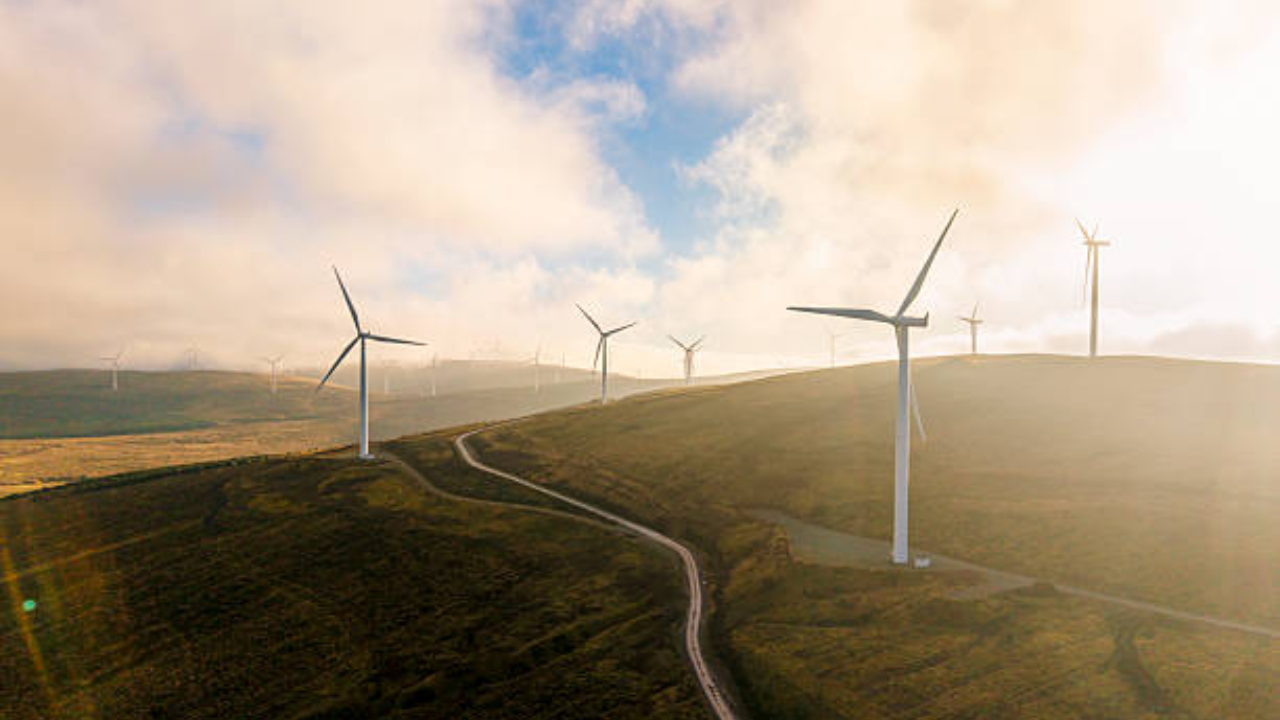

Wind turbines revenue has become an essential economic engine for rural communities, transforming local infrastructure and educational funding without placing heavy tax burdens on residents. In Howard County, Iowa, the rapid expansion of renewable energy infrastructure has yielded remarkable financial returns. By converting natural wind resources into clean electricity, the region has secured substantial public funding that directly benefits local taxpayers, agricultural landowners, and municipal development projects.
Table of Contents
The Rise of Wind Energy in Howard County
The transformation of Howard County began decades ago when renewable energy developers recognized the region’s steady wind patterns and vast open spaces. What started as experimental clean energy initiatives quickly evolved into a massive network of towering wind generators. Today, more than 140 operational turbines dot the rural landscape, generating clean electricity for thousands of homes while quietly driving local economic growth.
As these green energy projects expanded, local government officials negotiated favorable tax structures and zoning agreements. Consequently, the commercial operation of these massive structures turned into a reliable, long-term revenue source for public coffers. Communities that previously struggled with stagnant budgets suddenly found themselves equipped with the capital needed to modernize aging civic facilities.
Milestone Achievements in Renewable Development
Reaching millions in local tax contributions did not happen overnight. The steady deployment of modern turbine technology over the past fifteen years illustrates a successful partnership between private energy corporations and local county supervisors. Below is an overview of how the energy infrastructure scaled:
- Initial exploratory planning and early zoning approvals.
- Gradual construction phases introducing state-of-the-art multi-megawatt generators.
- Full-scale commercial operation involving over 140 active units.
- Consistent annual tax contributions exceeding $2.7 million for civic enhancements.
Financial Impact on Roads and Bridges
Maintaining rural infrastructure presents a persistent challenge for agricultural counties with limited populations and expansive road networks. Heavy agricultural machinery, commercial transport, and daily commuter traffic cause continuous wear and tear on asphalt and concrete. Fortunately, the influx of capital from renewable energy projects provides a dedicated funding stream specifically earmarked for critical civil engineering projects.

Caption: Modern wind turbines generate millions in tax revenue, helping local authorities pave miles of rural roadways.
Recent fiscal allocations have successfully funded dozens of vital infrastructure upgrades. Local transportation departments report that millions of tax dollars derived directly from energy installations have facilitated the construction and repair of over thirty bridge projects. Furthermore, workers have paved scores of miles of rural roadways, dramatically improving shipping logistics for local farmers and ensuring safer travel conditions for families.
Infrastructure Allocation Breakdown
To understand the sheer scale of these public works improvements, a closer look at the capital distribution reveals how effectively public officials utilize these funds:
| Project Type | Completed Units / Scope | Primary Funding Source |
|---|---|---|
| Bridge Reconstruction | 30 Bridge Projects | Commercial Wind Tax Revenue |
| Road Paving | 20+ Miles of Paving | County Energy Infrastructure Fund |
| Educational Support | Multiple Local School Districts | Property and Utility Taxes |
Agricultural Benefits and Land Leases
Beyond municipal budgets and public road repairs, the renewable energy boom directly empowers individual landowners and agricultural families. Farming is an inherently unpredictable profession subject to fluctuating commodity prices, shifting weather patterns, and unpredictable input costs. Land lease agreements offer a powerful financial cushion against these agricultural uncertainties.
By permitting energy companies to install massive towers on sections of their property, farmers receive guaranteed, stable annual lease payments. Because the actual footprint of a turbine utilizes only a tiny fraction of an acre, agricultural operations continue uninterrupted around the base of the towers. Farmers can comfortably cultivate crops or graze livestock right up to the access roads, turning marginal or underutilized land into dependable revenue generators.
Supporting Local Schools and Communities
Educational institutions frequently bear the brunt of rural budget constraints, often struggling to update technology, retain talented educators, and maintain aging facilities. The substantial financial influx from commercial energy installations provides a vital lifeline to local school districts.
With boosted property valuations and increased utility tax receipts, school boards can invest in modern classrooms, updated science laboratories, and enhanced extracurricular programs. This educational funding ensures that rural students receive high-quality academic preparation without requiring local property owners to shoulder aggressive tax hikes.
Conclusion
The remarkable economic transformation witnessed in rural communities proves that clean energy initiatives offer far more than just environmental benefits. By leveraging wind turbines revenue, local governments successfully finance critical infrastructure, support public education, and provide farmers with reliable secondary income. As more regions adopt similar sustainable models, the long-term viability of rural economies continues to strengthen through forward-thinking green investments.