

Table of Contents
Introduction
Developing a sustainable coconut waste water cleaning material marks a monumental shift in how modern environmental engineers tackle industrial pollution. As global textile manufacturing continues to expand, finding efficient, low-cost remediation strategies becomes increasingly vital. Researchers have successfully engineered a powerful filtration medium derived entirely from discarded coconut husks, offering an extraordinary solution for removing hazardous synthetic dyes from aquatic ecosystems.

Researchers examine advanced biomass filters designed to purify industrial effluent sustainably.
The Growing Crisis of Textile Dye Pollution
The global textile industry relies heavily on synthetic dyes to color fabrics vibrantly. Unfortunately, a significant percentage of these chemical agents end up in wastewater streams during the production process. Traditional water treatment plants often struggle to capture these complex organic molecules completely.
Environmental Impact of Untreated Effluent
When dye-laden wastewater enters local rivers and streams, it triggers several ecological catastrophes:
- Blocks sunlight penetration, severely hindering aquatic plant photosynthesis.
- Reduces dissolved oxygen levels, threatening fish and other aquatic organisms.
- Introduces toxic compounds and heavy metals that bioaccumulate in the food web.
Governments and regulatory bodies have tightened environmental standards, forcing industries to adopt cleaner processing technologies or face heavy penalties.
Transforming Coconut Waste into Advanced Filtration Media
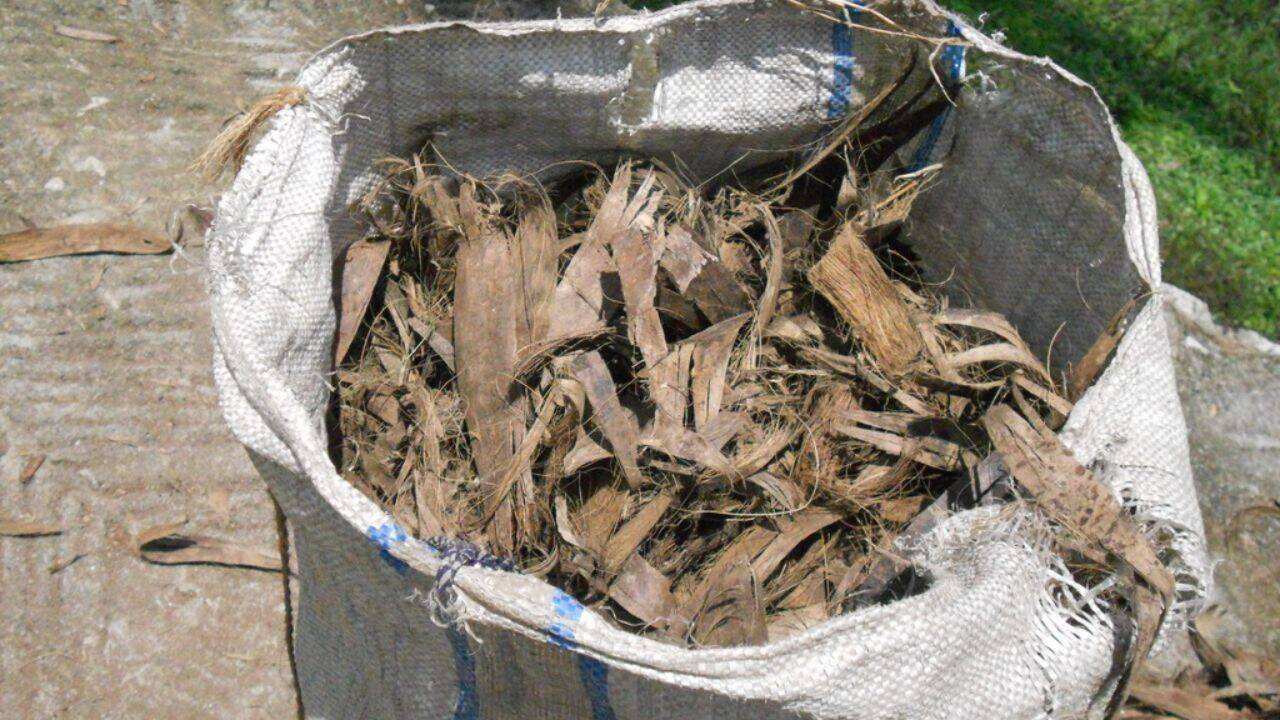
Addressing the pressing need for affordable decontamination tools, a dedicated team of materials scientists turned their attention to agricultural byproducts. Specifically, millions of tons of coconut husks are discarded annually worldwide, posing a disposal challenge. By repurposing this abundant biomass, researchers created a high-performance coconut waste water cleaning material that rivals expensive commercial adsorbents.
The Synthesis Process
The transformation involves several precise chemical and thermal treatments:
- Collecting and thoroughly washing raw coconut husks to remove surface impurities.
- Crushing the dried biomass into a fine, uniform powder.
- Subjecting the powder to controlled carbonization and activation processes to maximize internal surface area.
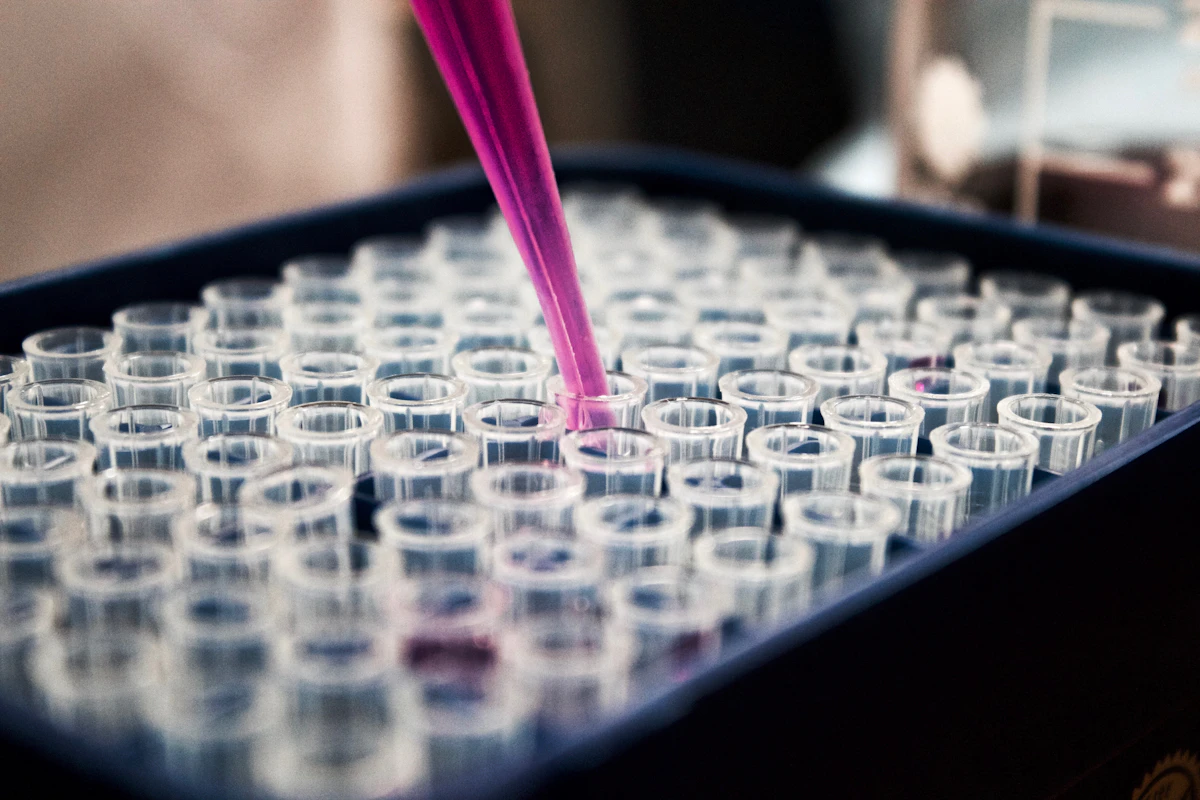
Advanced spectroscopy confirms the structural porosity of the newly developed bio-adsorbent.
How the Biomaterial Operates at a Microscopic Level
The remarkable efficacy of this newly engineered compound stems from its unique structural morphology. During laboratory evaluations, the activated coconut material successfully removed approximately 95.5 percent of stubborn textile dyes within a mere 80 minutes of contact time.
Key Performance Metrics
| Parameter | Observed Result |
|---|---|
| Dye Removal Efficiency | 95.5% |
| Contact Time | 80 Minutes |
| Primary Feedstock | Discarded Coconut Husks |
This rapid absorption rate occurs because the carbonized structure features countless microscopic pores. These pores create extensive surface areas capable of trapping dye molecules through strong intermolecular interactions.
Future Implications for Industrial Wastewater Treatment
Implementing agricultural waste-derived filters could fundamentally change economic models for wastewater management. Facilities in developing nations, where textile manufacturing is heavily concentrated, stand to benefit immensely from a locally sourced, inexpensive purifying agent.
Scaling Up Production
Moving from laboratory scale to industrial application requires addressing several logistical challenges:
- Securing a steady, reliable supply chain of raw agricultural biomass.
- Optimizing regeneration cycles so the filtration medium can be reused multiple times.
- Designing large-scale reaction vessels capable of processing thousands of gallons daily.

Large-scale integration of bio-based filtration systems could soon become standard industry practice.
Conclusion
The successful development of a coconut waste water cleaning material demonstrates the immense potential of circular economy principles in environmental science. By turning agricultural trash into an environmental treasure, researchers have unlocked a fast, highly efficient method to eliminate toxic textile dyes from aquatic ecosystems. As this technology scales toward commercial readiness, it offers renewed hope for cleaner rivers, safer communities, and a more sustainable industrial future.