
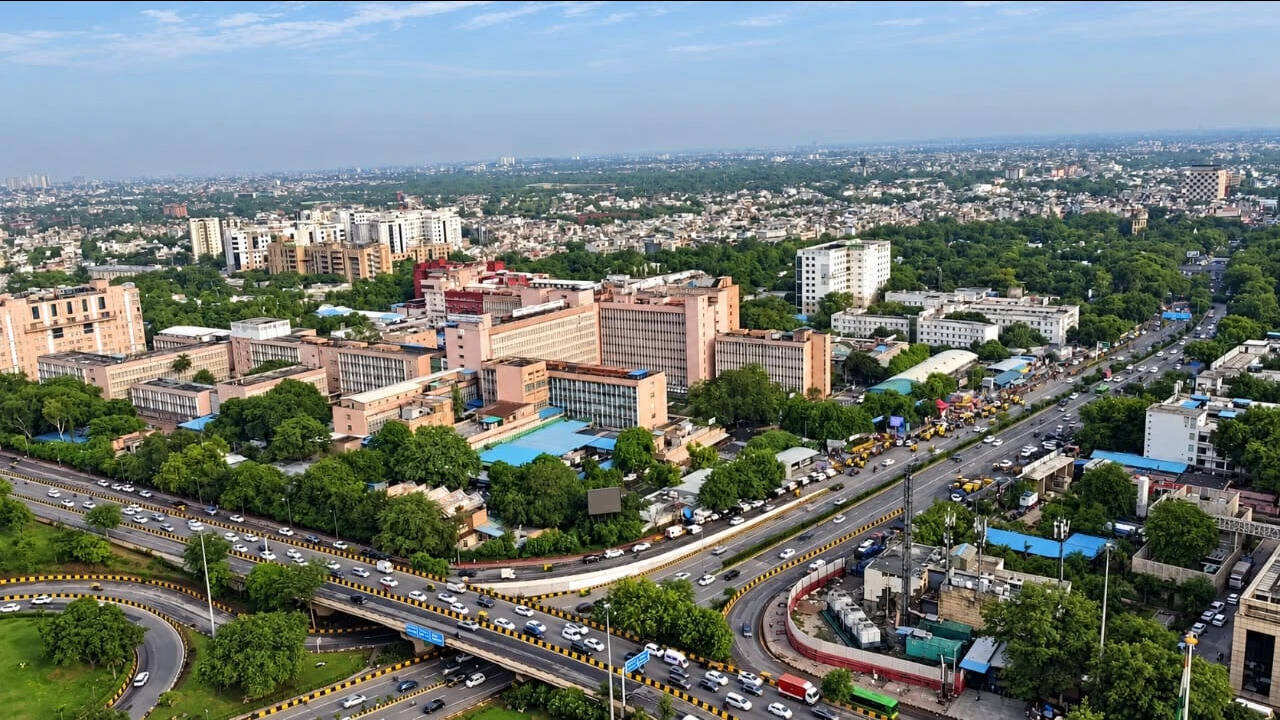

When discussing the future of India’s capital, the Delhi 2047 vision stands out as a critical blueprint designed to transform the sprawling metropolis into a world-class, sustainable, and economically vibrant urban center. As the city looks toward the centenary of India’s independence, urban planners, policymakers, and citizens are engaging in deep discussions regarding the feasibility, challenges, and immense potential of this long-term strategy. While the ambitions are undeniably high, the pressing question remains whether infrastructure and governance can keep pace with such rapid modernization demands.
Table of Contents
Introduction to Delhi 2047
Urban development is rarely a straightforward path, especially in a megacity as complex as the National Capital Region. The trajectory outlined for Delhi 2047 aims to address systemic issues such as congestion, pollution, housing shortages, and infrastructural bottlenecks. By integrating advanced technology with smart governance, the blueprint seeks to redefine the urban experience for millions of residents.

An artistic conceptualization of modern metropolitan development under future urban planning frameworks.
Core Pillars of Urban Transformation
The comprehensive roadmap relies heavily on several foundational pillars. Each component is tailored to ensure that growth is inclusive, resilient, and future-proof. Planners emphasize that neglecting any single sector could derail the entire vision.
- Advanced public mass transit systems
- Green energy transition and carbon neutrality
- Smart waste management and water recycling
- Inclusive housing and affordable real estate zones
Infrastructure and Mobility Challenges
Mobility is the lifeblood of any modern city. Under the Delhi 2047 framework, transport networks are slated for a massive overhaul. However, upgrading legacy infrastructure while managing daily commuter volume presents a logistical nightmare. Experts suggest that multi-modal integration will be necessary to reduce private vehicle dependency.
Furthermore, expanding metro lines, introducing electric bus fleets, and creating pedestrian-friendly corridors require substantial financial investment and inter-agency coordination. Without seamless cooperation between central and local governing bodies, transit projects often face frustrating delays.
Environmental Sustainability Goals
Tackling Air and Water Pollution
Environmental degradation is arguably the most urgent hurdle facing the region. Seasonal smog and heavily polluted water bodies demand immediate and aggressive interventions. The strategic vision incorporates strict industrial emission caps, massive afforestation drives, and the rejuvenation of the Yamuna River basin.

Integrating green corridors is vital for improving urban air quality and ecological balance.
Economic Growth and Employment
Beyond physical infrastructure, the roadmap focuses on turning the capital into a major hub for innovation, technology, and financial services. Encouraging start-ups, establishing high-tech manufacturing zones, and upskilling the workforce are essential steps to drive job creation. A diversified economy will ensure that the influx of migrants finds productive employment without straining civic amenities further.
The Bigger Question: Implementation Hurdles
While the blueprint sounds promising on paper, critics often point to the gap between policy formulation and ground-level execution. Historical precedent shows that ambitious targets frequently suffer from bureaucratic red tape, land acquisition disputes, and funding shortfalls. Ensuring accountability and transparent monitoring mechanisms will be crucial for success.
| Focus Area | Current Status | Projected Goal (2047) |
|---|---|---|
| Public Transit | Expanding metro network | Fully integrated multi-modal transit |
| Air Quality | Severe seasonal pollution | Net-zero carbon emissions standard |
| Waste Management | Landfill dependency | Zero-waste circular economy |
Conclusion
In summary, the journey toward the target year is filled with both unprecedented opportunities and formidable roadblocks. The success of the master plan depends entirely on rigorous implementation, political will, and active citizen participation. Only through sustained dedication can the capital achieve its true potential as a model of modern urban excellence.