
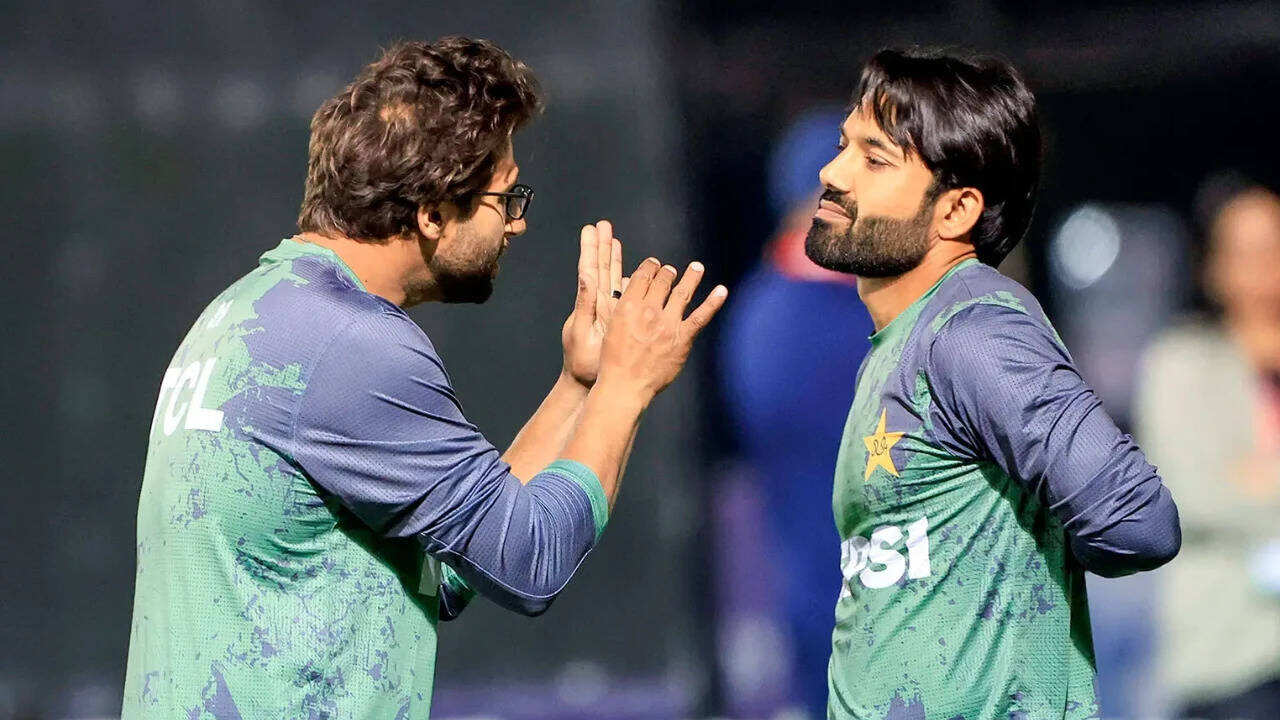

Mohammad Rizwan and teammate Imam-ul-Haq are currently navigating a turbulent period in their professional careers. Following a demanding tour of England, both prominent Pakistani cricketers have encountered severe administrative and physical hurdles. Beyond failing mandatory fitness evaluations, the athletes find themselves entangled in a high-profile inquiry managed by cybercrime authorities. This dual crisis has effectively sidelined them from the upcoming domestic season, sparking intense discussions across the global cricketing community regarding player management, digital privacy, and athletic accountability.
Table of Contents
The Cybercrime Investigation
The latest controversy intensified when investigative agencies summoned several national team members. Digital forensic evaluations of personal mobile devices reportedly yielded evidentiary material that prompted formal inquiries. While details regarding the specific nature of the digital probe remain tightly controlled, the involvement of federal cybercrime units signifies a serious administrative intervention.
Athletes today operate under intense public scrutiny, both on and off the pitch. The intersection of personal digital footprints and professional athletic contracts creates complex legal and ethical challenges. For Mohammad Rizwan, maintaining composure amidst these off-field distractions remains paramount as legal counsels review the proceedings.
Digital Forensics and Player Scrutiny
Modern sports organizations increasingly monitor player conduct, utilizing digital compliance frameworks to protect the sport’s integrity. However, involving cybercrime divisions marks an extraordinary escalation in player disciplinary protocols.
- Confiscation and analysis of mobile communication devices
- Interviews conducted by specialized investigative task forces
- Potential breaches of central contract codes of conduct
Fitness Failures and Domestic Setbacks
Compounding their off-field legal pressures, neither Mohammad Rizwan nor Imam-ul-Haq managed to clear the rigorous physical fitness parameters established by the national selection committee. Fitness standards have become a non-negotiable prerequisite for selection across all formats of Pakistani cricket.
Consequently, both players will miss the opening round of the prestigious President’s Trophy Grade-I tournament. This domestic absence deprives them of valuable match practice, making a swift return to the international setup even more challenging.
| Player | Primary Issue | Domestic Consequence |
|---|---|---|
| Mohammad Rizwan | Fitness Deficit & Cyber Inquiry | Misses President’s Trophy Opener |
| Imam-ul-Haq | Fitness Deficit & Cyber Inquiry | Misses President’s Trophy Opener |
The Aftermath of the England Tour
The timing of these setbacks is closely linked to the team’s taxing assignment in England. High-pressure overseas tours often expose structural vulnerabilities within a squad, leading to tactical overhauls, player fatigue, and subsequent performance dips.
Recalls and strategic rotations failed to yield the desired results during the English series, leaving the team leadership under immense pressure. The cumulative physical exhaustion from that campaign directly contributed to the subsequent failure in domestic fitness tests.
Implications for Pakistani Cricket
The simultaneous sidelining of two senior players highlights deeper structural issues within the domestic talent pipeline and player welfare systems. Balancing legal hurdles with athletic rehabilitation requires delicate institutional handling.
Stakeholders must address how personal distractions impact team cohesion. Ensuring transparent communication between the board, legal entities, and the athletes will determine how quickly these foundational players can resume their professional duties.
Conclusion
The unfolding situation involving Mohammad Rizwan and Imam-ul-Haq serves as a stark reminder of the fragile nature of professional sports careers. As the cybercrime investigation proceeds and the players work to regain their athletic conditioning, the broader cricketing ecosystem watches closely. Resolving these challenges swiftly is essential not only for the individuals involved but also for the stability of Pakistan’s national cricket structure.