


Table of Contents
Introduction
FSSAI e-commerce checks are set to transform the digital food retail landscape significantly. As online grocery shopping and food delivery apps become deeply integrated into daily routines, regulatory bodies are stepping up oversight. Starting this October, online retail platforms will face rigorous enforcement regarding food safety standards, license displays, and product quality assurance. This comprehensive shift means companies can no longer rely on simple intermediary defenses.

Consumers increasingly expect transparency and safety when purchasing edible items online. However, the complex supply chain involving multiple vendors, third-party logistics, and digital aggregators has often made accountability difficult to trace. Regulators are addressing these loopholes directly, demanding strict adherence to established food safety protocols across all digital storefronts.
Understanding FSSAI E-commerce Mandates
The Food Safety and Standards Authority of India has consistently updated its regulatory framework to keep pace with rapid technological advancements. Digital marketplaces operate differently from traditional brick-and-mortar stores, presenting unique challenges for food inspectors. Traditional oversight relied heavily on physical store visits, but digital platforms list thousands of independent sellers simultaneously.
To bridge this gap, authorities have instituted specialized guidelines for online food business operators. These rules ensure that digital shelves maintain the exact same safety standards as physical grocery aisles. Platforms must verify seller licenses, display mandatory nutritional information, and enforce strict recall protocols when safety issues arise.
Why Aggregators Can No Longer Hide Behind Intermediary Status
Historically, many digital platforms argued that they merely acted as technology intermediaries or aggregators connecting buyers with independent sellers. Under this legal positioning, companies claimed they bore minimal responsibility for the actual quality or safety of the food items transacted through their applications.

However, recent policy shifts dismantle this defense entirely. Regulatory authorities have made it explicitly clear that online marketplace operators will not be allowed to take the plea that they are just aggregators. Because these platforms facilitate transactions, handle payments, and manage delivery logistics, they share joint accountability for the products sold on their interfaces.
7 Crucial Compliance Rules for Online Marketplaces
Complying with the upcoming regulatory framework requires systematic changes in how digital platforms operate. Here are the core requirements that companies must implement immediately:
- Mandatory License Display: Every seller listed on the platform must display a valid FSSAI license or registration number clearly on their product page.
- Zero Tolerance for Expired Goods: Automated inventory tracking must prevent the listing or sale of expired food products.
- Accurate Product Information: Ingredients, allergen warnings, and nutritional values must match physical packaging precisely.
- Grievance Redressal Mechanisms: Platforms must maintain an active consumer complaint resolution system.
- Prompt Recall Actions: Companies must act swiftly to pull unsafe food items from their digital catalogs upon regulatory notice.
- Logistical Hygiene: Delivery partners must maintain food safety standards during transit, especially for perishable goods.
- Regular Audits: Platforms are expected to conduct routine internal checks of their vendor base.
How Strict Checks Protect Everyday Consumers
The implementation of stricter enforcement brings profound benefits to everyday shoppers. When accountability is clearly established, the prevalence of adulterated or substandard items decreases dramatically. Consumers gain greater confidence in digital grocery shopping, knowing that regulatory bodies actively back their safety.
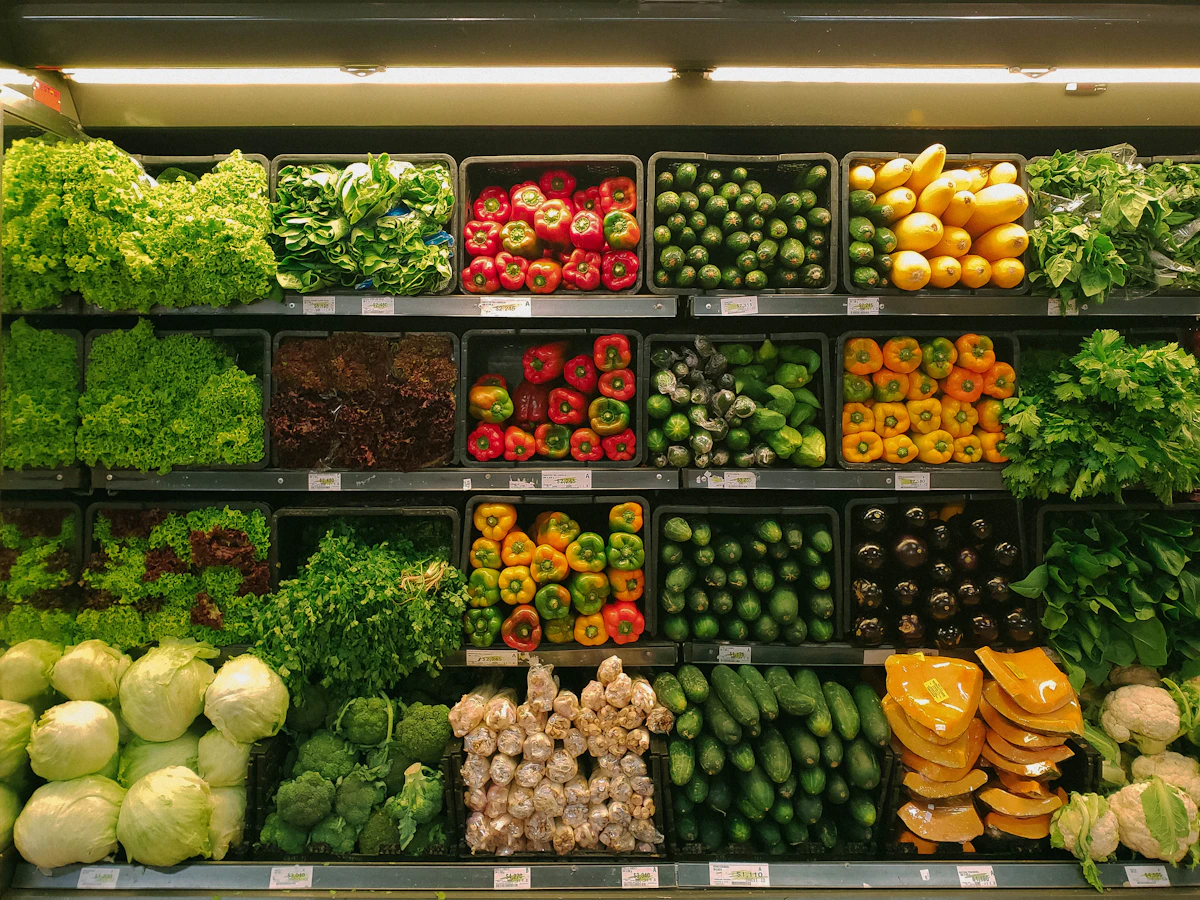
Furthermore, transparent labeling allows individuals with dietary restrictions or allergies to make informed purchasing decisions without second-guessing online descriptions. For broader insights into consumer safety trends, read our guide on consumer rights in the digital marketplace and explore our latest food safety regulations overview.
Conclusion
The enforcement of strict FSSAI e-commerce checks marks a definitive turning point for digital retail accountability. By stripping away the intermediary defense for aggregators, regulators are ensuring that consumer health remains the topmost priority. As these rules take effect, digital marketplaces must adapt swiftly, fostering a safer, more transparent ecosystem for all participants.