

Table of Contents
Introduction to Northern Quolls and Habitat Loss
Northern quolls are facing unprecedented pressures across their native Australian ranges, making innovative conservation strategies more critical than ever. As industrial development and mining activities reshape the landscape, wildlife authorities continually seek practical methods to protect vulnerable species. A recent breakthrough involving discarded plastic materials offers a glimmer of hope for these endangered marsupials.
Finding sustainable ways to integrate industrial rehabilitation with native fauna protection remains a primary goal for modern ecologists. By repurposing unwanted materials, conservationists can bridge the gap between heavy industry and biodiversity preservation. This intersection of engineering and wildlife management highlights a promising path forward.
The Plight of the Northern Quoll
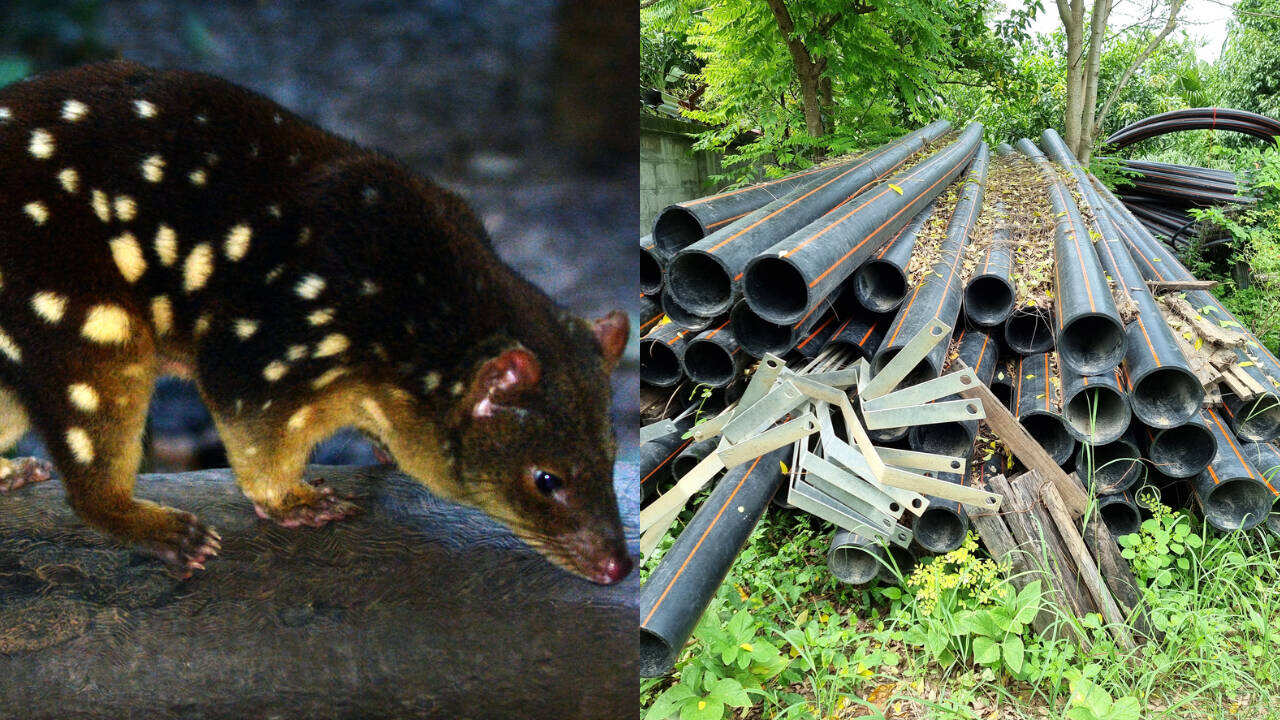
The northern quoll is a small, carnivorous marsupial native to the northern regions of Australia. Known for their spotted coats and fierce hunting habits, these animals play a vital role in local ecosystems by controlling insect and small vertebrate populations. However, their numbers have plummeted over recent decades due to several compounding threats.
Key Threats Facing the Species
- Invasive Species: The spread of toxic cane toads has proven devastating, as quolls readily consume them and succumb to the lethal poison.
- Habitat Destruction: Mining operations, land clearing, and infrastructure expansion constantly reduce natural sheltering sites.
- Predation: Introduced predators such as feral cats and foxes target young and adult quolls alike.
- Inappropriate Fire Regimes: High-intensity bushfires destroy the complex rocky outcrops and logs quolls rely on for refuge.
Without secure places to hide from predators and raise their young, local populations struggle to survive. Protecting critical habitat features has therefore become an urgent priority for environmental scientists and wildlife managers.
Repurposing Mine Infrastructure
Mining sites often leave behind vast quantities of industrial waste, including large plastic and PVC pipes. Rather than leaving these materials to degrade or incur costly removal processes, Australian researchers devised a brilliant alternative. They buried discarded mine pipes inside waste rock piles to simulate natural rock crevices and boulder fields.

This creative approach transforms industrial liabilities into ecological assets. Waste rock piles, which are traditionally viewed as sterile and ecologically disruptive landscapes, suddenly gain a secondary function as stable microhabitats. The structure of the buried pipes provides the exact dimensional requirements that quolls naturally seek out.
How Artificial Dens Work
Understanding animal behavior is crucial when designing artificial habitats. Northern quolls naturally prefer narrow, dark, and thermally stable cavities for nesting and resting during the day. The buried plastic pipes successfully replicate these vital environmental conditions.
Benefits of the Artificial Pipe Dens
- Thermal Regulation: Underground placement keeps the internal temperature stable, protecting quolls from extreme surface heat.
- Predator Exclusion: The narrow entrances prevent larger predators from accessing the nesting chambers.
- Structural Integrity: Protected by waste rock layers, the pipes resist crushing and shifting over time.
- Wildlife Monitoring: Researchers can easily deploy motion-activated cameras to track occupancy and health metrics.
Camera monitoring footage has confirmed that northern quolls readily enter and leave these artificial dens, treating them with the same confidence they would show natural rock crevices. This behavioral acceptance marks a significant milestone for the project.
Broader Implications for Conservation
The success of utilizing discarded mine pipes opens up exciting possibilities for industrial rehabilitation projects across Australia and beyond. Mining companies are increasingly pressured to demonstrate positive environmental stewardship. Integrating wildlife habitat creation into standard closure plans offers a measurable way to achieve those goals.

Furthermore, this methodology can potentially be adapted for other burrow-dwelling or cavity-nesting species impacted by resource extraction. By sharing these findings across sectors, environmental scientists can scale up similar interventions to safeguard multiple threatened populations simultaneously.
Conclusion
The innovative use of discarded mine pipes as shelters for northern quolls demonstrates a powerful intersection between industrial byproducts and wildlife conservation. By turning waste rock piles into secure artificial habitats, researchers have provided a practical lifeline for these vulnerable Australian marsupials. As this technique gains traction, it offers an encouraging blueprint for balancing industrial land use with effective biodiversity protection.