
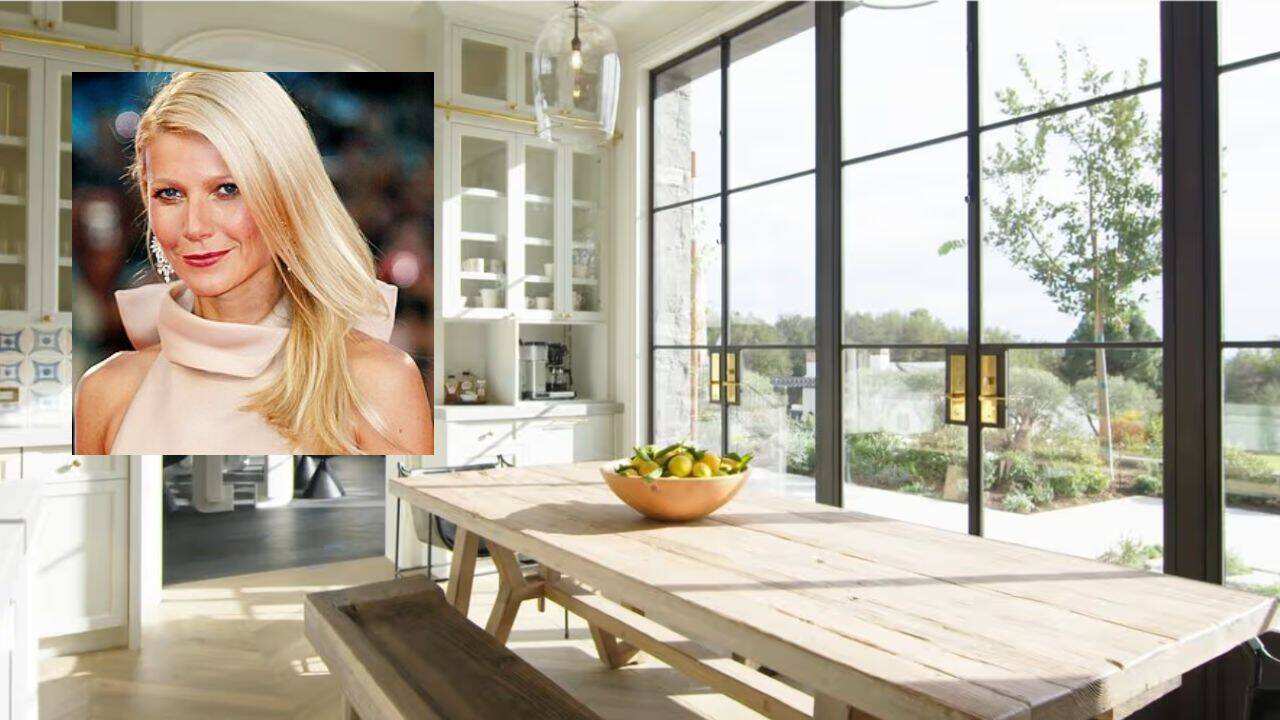

When exploring celebrity architecture and green building, the Gwyneth Paltrow Montecito estate stands out as a remarkable achievement in modern luxury and environmental consciousness. Spanning over a massive footprint, this property showcases how high-end real estate can seamlessly integrate eco-friendly technologies without compromising on elegance, style, or comfort. Over a meticulous six-year development journey, the acclaimed actress and lifestyle entrepreneur transformed a modest $4.9 million acquisition into a state-of-the-art sanctuary.
Table of Contents
Origins of the Montecito Project
The journey began back in 2016 when the Oscar-winning actress acquired approximately 2.4 acres of prime land in the celebrity-favored enclave of Montecito, California. Rather than renovating the existing structures, the decision was made to completely raze the older buildings. This blank canvas allowed for a ground-up development tailored to modern lifestyle needs and strict environmental standards.
Building a custom estate from scratch in an exclusive neighborhood requires patience, substantial investment, and precise planning. The multi-year construction timeline faced various regulatory and environmental milestones, particularly given California’s stringent building codes and historic water conservation challenges.
Navigating Local Challenges
Timing played a crucial role in the development phases. Acquiring the land during a historic regional drought meant that water management had to be a foundational priority rather than an afterthought. Architects and engineers collaborated closely to ensure that the future residence would minimize its municipal resource footprint while maximizing self-sufficiency.
Sustainable Features and Green Energy
At the heart of the Gwyneth Paltrow Montecito property is an impressive array of green technology designed to reduce environmental impact. Modern luxury is increasingly defined by sustainability, and this estate serves as a prime case study for eco-friendly mega-mansions.
- Solar Power Integration: The sprawling roof accommodates more than 60 advanced solar panels, generating clean electricity to power the expansive residence.
- Graywater Systems: An advanced graywater recycling network treats household wastewater for landscape irrigation, drastically cutting down overall water consumption.
- Energy-Efficient Climate Control: State-of-the-art passive cooling and heating designs maintain optimal indoor temperatures naturally.
The Power of Solar Energy
With over 60 solar panels installed, the estate operates with a high degree of energy independence. This setup not only lowers long-term utility costs but also significantly reduces the carbon footprint associated with maintaining a 14,000-square-foot residence.
Architectural Design and Luxury Living
Spanning roughly 14,000 square feet, the final structure balances grand architectural scale with intimate, wellness-focused living spaces. Natural light floods the interior through massive floor-to-ceiling glass panels, connecting the indoor areas with the lush surrounding landscape.
The design philosophy heavily emphasizes holistic well-being, featuring spa-like amenities, organic materials, and minimalist aesthetics. Every room was crafted to offer tranquility, privacy, and seamless indoor-outdoor living, which is characteristic of high-end California real estate.
Impact on Luxury Real Estate Trends
Celebrity real estate projects often set broader design and lifestyle trends. By prioritizing renewable energy and water conservation on such a grand scale, this development highlights a shift in how affluent homeowners view luxury. Sustainability is no longer a niche preference but a core component of modern prestige properties. For more insights on eco-friendly living, check out our guide on modern sustainable home trends.
Conclusion
The transformation of a $4.9 million property into the iconic Gwyneth Paltrow Montecito estate demonstrates the perfect fusion of luxury and environmental stewardship. Through patient planning, innovative green technology, and visionary architecture, this 14,000-square-foot masterpiece redefines what it means to build responsibly in the twenty-first century.