

Table of Contents
Introduction
Investing in a luxury high rise property is often framed as the ultimate dream for modern urban professionals and families. However, a recent viral video showing a muddy and waterlogged entrance to an expensive residential complex has triggered an intense national debate. When buyers invest substantial fortunes into luxury real estate, they naturally expect world-class infrastructure and meticulous maintenance. Unfortunately, the widening gap between high-end price tags and poor ground-level reality has left many urban homeowners feeling deceived and frustrated.

The Viral Video That Sparked Nationwide Outrage
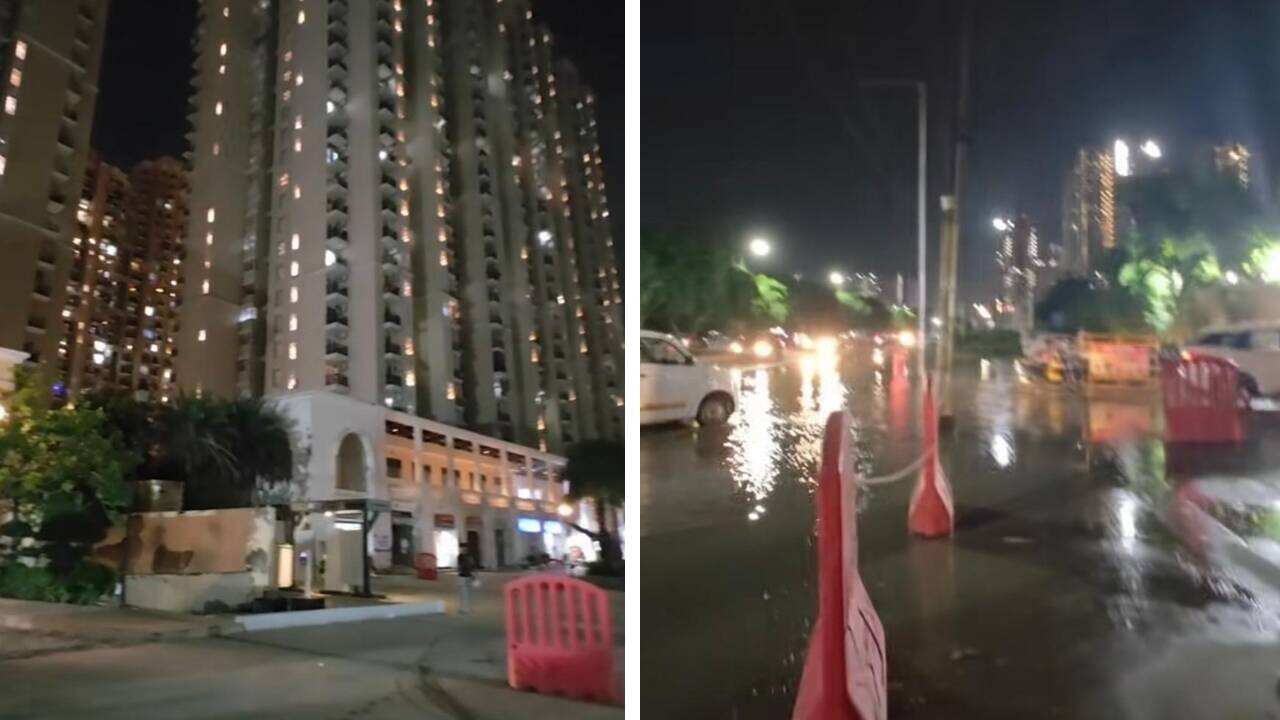
The conversation began when a resident shared footage capturing the appalling approach road to her expensive apartment complex. Despite property valuations crossing the multi-crore threshold, the pathway leading up to the gates resembled a rural dirt track submerged in stagnant water and thick mud. Viewers across social media platforms expressed sheer disbelief, questioning how developers justify exorbitant costs while neglecting basic civic amenities.
This digital outcry quickly transformed into a broader discussion regarding the accountability of real estate builders. Many commentators pointed out that promotional brochures often promise pristine landscapes, swimming pools, and high-tech security, yet fail to deliver even basic drainage systems that can withstand a standard monsoon shower.
Social Media Reaction and Public Sentiment
The internet community wasted no time dissecting the video. While some users offered sympathetic remarks, others used the opportunity to highlight systemic failures in urban planning. Common themes emerging from the comment sections included:
- Disappointment over unfulfilled promises made during the pre-launch phase.
- Frustration regarding delayed municipal handovers and maintenance neglect.
- Calls for stricter regulatory penalties against builders who compromise on foundational civil work.
The Urban Infrastructure Gap in Modern Housing
The incident is far from an isolated event. Across many fast-growing metropolitan areas, rapid urbanization has outpaced municipal capabilities. Builders frequently construct high-density housing societies on the peripheries of cities where civic infrastructure—such as proper storm-water drains, paved arterial roads, and municipal sewage lines—remains incomplete or entirely absent.
Consequently, residents find themselves trapped in an administrative gray zone. The local municipal corporation often argues that the internal and peripheral roads are the builder’s responsibility until a formal handover occurs, while developers frequently abandon maintenance duties once the majority of units are sold.
Evaluating Cost Versus Quality in Real Estate
To understand the depth of the problem, one must examine the financial dynamics involved. Property investments in major urban centers require significant capital commitment. Buyers regularly take on multi-decade financial obligations in the form of home loans.
| Expectation | Reality |
|---|---|
| Paved, flood-resistant entryways | Muddy, waterlogged tracks during rains |
| Transparent builder communication | Delays and unresponsive facility management |
| Immediate infrastructure readiness | Reliance on pending municipal upgrades |
Buyer Rights and Developer Accountability
Empowered by digital platforms, modern homeowners are no longer willing to suffer in silence. Real estate consumer forums and legal experts emphasize the importance of collective action. Buyers possess legal recourses through consumer protection councils and real estate regulatory authorities to challenge deceptive marketing and substandard infrastructure delivery.
Experts recommend that prospective buyers conduct thorough due diligence, inspecting not just the sample flat and the primary brochure, but also the surrounding approach roads, drainage networks, and historical weather impact on the neighborhood.
Conclusion
The viral video highlighting the muddy entrance of an expensive residential project serves as a crucial wake-up call for the real estate sector. Aesthetic appeal inside gated communities loses all meaning when basic external accessibility is compromised. Moving forward, both developers and regulatory bodies must prioritize robust urban infrastructure to protect home buyers and ensure that hefty financial investments translate into genuinely comfortable living standards.