
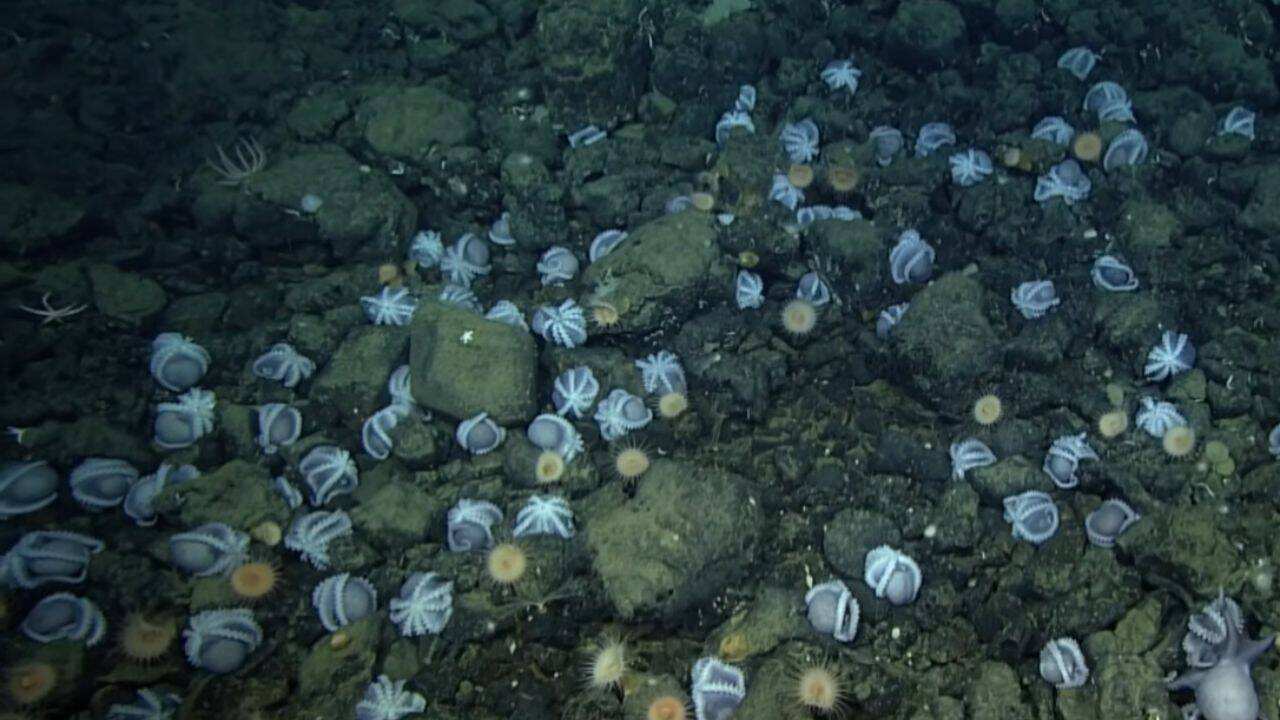

When discussing marine biology breakthroughs, the Octopus Garden stands out as a monumental discovery that has captivated scientists and ocean enthusiasts alike. Located deep beneath the Pacific Ocean off the coast of California, this sprawling underwater city hosts thousands of marine cephalopods utilizing geothermally heated waters to breed and raise their young. Understanding this unique ecosystem offers profound insights into deep-sea survival, reproductive behaviors, and the complex ecological networks thriving in extreme aquatic environments.
Table of Contents
Introduction to the Octopus Garden
Deep-sea exploration continually reveals astonishing secrets of our planet, and few locations match the intrigue of the newly documented Octopus Garden. Situated nearly two miles beneath the ocean surface near an extinct underwater volcano known as Davidson Seamount, this site represents the largest known cephalopod nursery on Earth.

An artistic representation of the thriving deep-sea cephalopod habitat.
Marine researchers utilizing advanced submersible technology mapped an area teeming with active nests. Countless cephalopods congregate here to take advantage of specific environmental conditions that accelerate their metabolic and reproductive rates.
The Science Behind Hydrothermal Springs
The success of the Octopus Garden relies entirely on geography and geology. The freezing ambient temperatures of the deep ocean normally slow down cold-blooded species significantly. However, this site sits atop localized thermal springs.
- Geothermal Heating: Fissures in the ocean floor release warmed water, creating microclimates.
- Metabolic Acceleration: Higher water temperatures shorten the incubation period for developing eggs.
- Strategic Positioning: Mothers select crevices where warm fluid gently washes over their clutches.
Without these thermal anomalies, embryonic development would take years instead of months, making successful reproduction nearly impossible at such extreme depths.
Pearl Octopuses and Their Unique Life Cycle
The primary resident of this deep-sea metropolis is the pearl octopus (Muusoctopus robustus). These creatures exhibit fascinating yet poignant behavioral patterns dedicated entirely to the next generation.

A female pearl octopus carefully tending her clutch in a warm rock fissure.
Female pearl octopuses spend years growing before migrating to the thermal fissures. Once they secure an ideal nesting spot, they lay hundreds of translucent eggs. Throughout the brooding period, which can last for over a year:
- The mother constantly cleans and oxygenates the eggs.
- She refuses to abandon her post, forgoing food entirely.
- Following the hatching of the young, the mother passes away, her body supplying vital nutrients to scavengers and predators in the deep-sea food web.
Ecological Impact on the Deep Sea
The dense concentration of life within the Octopus Garden transforms the surrounding benthic community into a bustling feeding ground. Predators ranging from deep-sea fish to marine mammals frequent the area to prey on vulnerable hatchlings and post-reproductive adults.
| Trophic Level | Species Involved | Role in Ecosystem |
|---|---|---|
| Primary Producers/Geology | Hydrothermal Vents | Provide heat energy driving the habitat |
| Primary Consumers | Pearl Octopuses | Utilize thermal crevices for safe reproduction |
| Secondary Consumers | Scavengers & Deep-sea Fish | Feed on post-spawning adults and unhatched eggs |
Future Research and Marine Conservation
Discovering such a massive nursery highlights how little we truly understand about the deep ocean. Scientists plan to conduct long-term monitoring programs to observe how climate shifts might alter hydrothermal output and affect the delicate balance of the Octopus Garden. Protecting these vulnerable habitats from destructive human activities like deep-sea mining remains a critical priority for international marine conservation groups.
Conclusion
The discovery of the Octopus Garden reshapes our understanding of marine biology and oceanic resilience. By combining geothermal energy with dedicated maternal care, pearl octopuses have established a thriving metropolis in one of the most inhospitable environments on Earth. Continued exploration and strict conservation efforts will ensure this magnificent underwater city remains protected for future generations.