

Table of Contents
Introduction
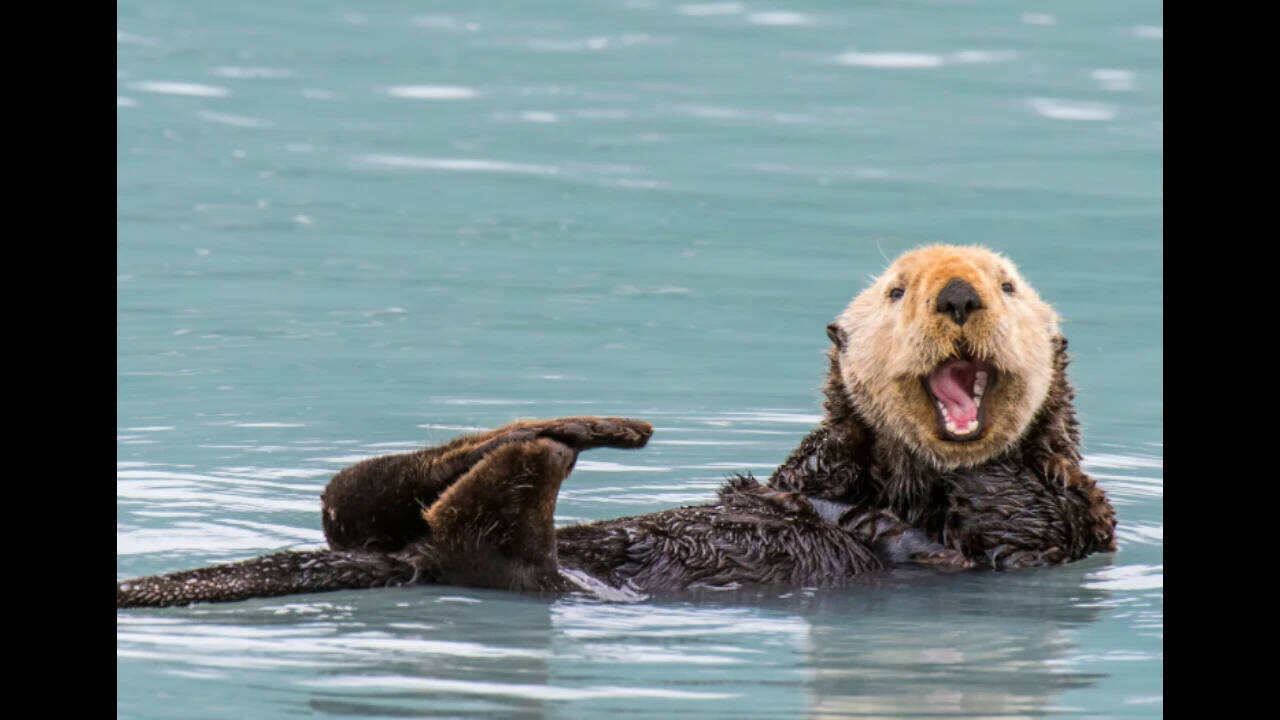
Sea otters are widely celebrated for their playful behavior and charismatic appearance, but their ecological significance extends far beyond their charm. As a keystone species, sea otters play a vital role in maintaining the health and stability of nearshore marine ecosystems. When sea otters returned to California waters decades ago, scientists observed profound transformations that rippled across local habitats, demonstrating the remarkable capacity of nature to heal when key predators reclaim their native niches.
The remarkable comeback of these marine mammals in specific coastal zones has provided researchers with definitive proof of how top-down ecological control functions. By preying on herbivorous invertebrates, sea otters indirectly protect foundational plant species that stabilize coastlines, filter water, and provide nursery grounds for countless fish species. Understanding this dynamic offers crucial insights for modern conservation strategies worldwide.
The Vulnerable State of Elkhorn Slough
Long before the ecological revival captured scientific attention, California’s Elkhorn Slough faced severe environmental degradation. Agricultural runoff, industrial pollution, and human development had severely impacted the estuary’s water quality and wildlife populations. Mudflats and salt marshes were degraded, and the delicate balance of the estuarine ecosystem hung by a thread.
Estuaries are naturally high-stress environments, acting as transition zones between marine and terrestrial realms. When pollution enters these systems, the consequences often cascade upward through the food chain. In the case of Elkhorn Slough, nutrient overloading promoted algal blooms and created conditions unfavorable for many native species, setting the stage for a dramatic ecological intervention.
Trophic Cascades and the Food Web Dynamics
The turning point for the estuary began with the arrival and natural reestablishment of sea otters. As the marine mammals settled into the sheltered waters, they initiated a classic trophic cascade. A trophic cascade occurs when predators suppress the abundance or alter the behavior of their prey, releasing the next lower trophic level from predation pressure.
In Elkhorn Slough, the primary prey for the returning otters included herbivorous shore crabs. Without adequate top-down pressure from predators, these crab populations had proliferated, consuming marsh vegetation and destabilizing root systems. By actively foraging on the crabs, sea otters dramatically reduced their numbers and altered their grazing habits, setting off a chain reaction of habitat recovery.
Explosive Growth of Eelgrass Beds
One of the most astonishing outcomes of the otter’s return was the dramatic expansion of eelgrass habitats. As sea otters kept crab populations in check, the grazing pressure on local plants plummeted. Furthermore, indirect biological interactions fostered a clearer, healthier aquatic environment where submerged aquatic vegetation could thrive.
Scientific surveys conducted over the decades revealed that eelgrass beds expanded by an incredible margin. Below is a summary of the ecological transformations recorded:
- Eelgrass Expansion: Increased by up to 600% following the sustained presence of otters.
- Crab Population Control: Significant reduction in root-eating crab density.
- Water Clarity: Improved significantly due to stabilized sediment and reduced biological disturbance.
Preventing Marsh-Edge Erosion
Beyond subaquatic vegetation, the stability of the surrounding salt marshes experienced a profound boost. Coastal erosion represents a major threat to estuaries globally, leading to the loss of critical land buffers and wildlife habitats. In Elkhorn Slough, researchers documented that marsh-edge erosion slowed down dramatically.
Specifically, studies found that marsh-edge erosion decreased by an average of 69%. This stabilization occurred because the crabs, which previously tunneled extensively into mudbanks and consumed marsh plant roots, were no longer present in destructive densities. With intact root structures holding the sediment firmly together, the banks could better withstand tidal currents and wave action.
Broader Conservation Implications
The success story at Elkhorn Slough carries profound lessons for marine conservation efforts across the globe. Traditional conservation often focuses entirely on protecting plants or reducing pollution directly. However, these findings emphasize that restoring native fauna—particularly apex predators or keystone species—is sometimes the most effective tool for habitat restoration.
Environmental managers are now looking at reintroducing or protecting sea otters in other degraded estuaries along the Pacific coastline. By harnessing natural ecological interactions, conservationists can achieve self-sustaining habitat recovery that requires far less manual intervention and financial investment.
Conclusion
The return of sea otters to California’s estuaries demonstrates the powerful interconnectedness of natural ecosystems. By rebalancing food webs, suppressing destructive herbivores, and enabling habitats like eelgrass and salt marshes to flourish, these marine mammals act as natural engineers. Protecting and restoring sea otter populations remains an essential strategy for preserving coastal biodiversity and resilience in a changing world.