

Table of Contents
Introduction
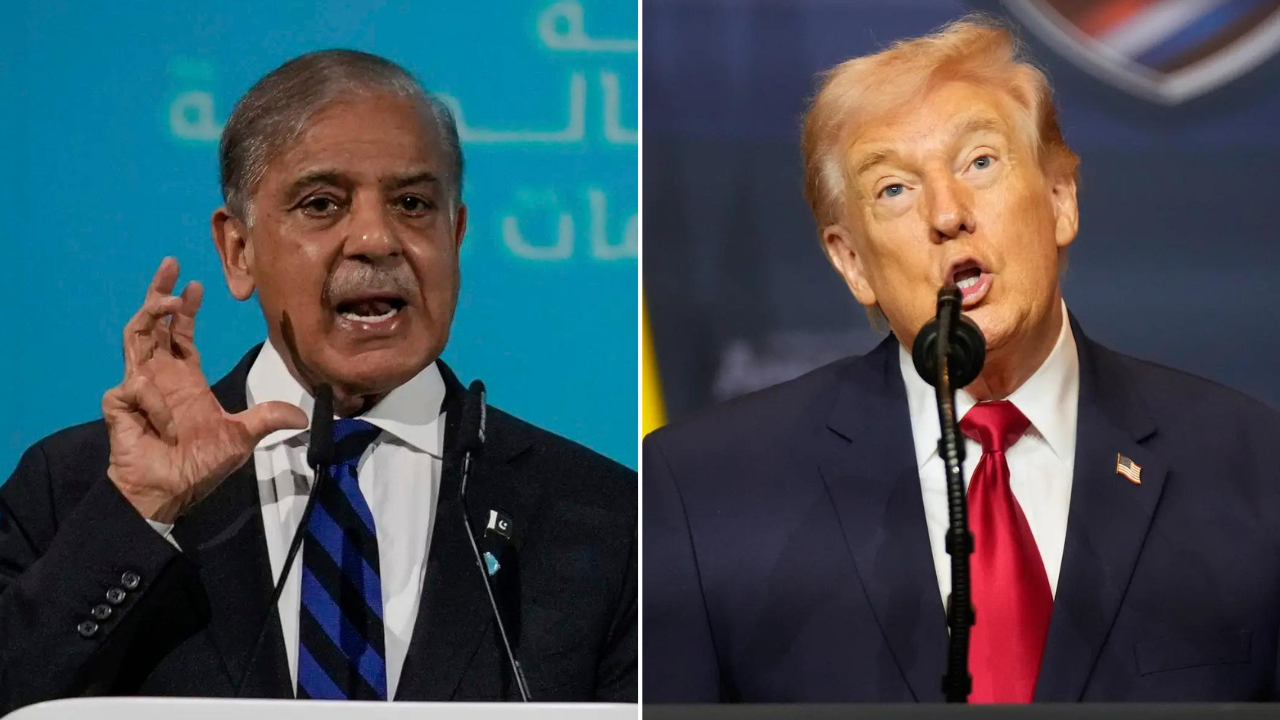
The upcoming Shehbaz Sharif Trump meeting is generating significant global attention as world leaders prepare for the high-level diplomatic engagements at the United Nations General Assembly in New York. Scheduled for September 23, this interaction between Pakistani Prime Minister Shehbaz Sharif and prominent American political figure Donald Trump marks a pivotal moment for bilateral relations. As geopolitics shift across South Asia and the broader international landscape, understanding the objectives behind this high-stakes summit remains crucial for analysts and policymakers alike.
Diplomatic channels have been working extensively to ensure that this dialogue addresses pressing security, economic, and regional stability concerns. Both nations share a complex history of cooperation and strategic friction, making face-to-face discussions essential for clearing misunderstandings and forging pragmatic paths forward. Below, we examine the deeper background, expectations, and potential outcomes of this major diplomatic event.
Diplomatic Context of the Sharif Trump Meeting
To fully grasp the weight of the upcoming Shehbaz Sharif Trump meeting, one must examine the historical trajectory of US-Pakistan relations. Over the past several decades, the relationship has oscillated between close security partnerships, particularly during counter-terrorism operations, and periods of strategic divergence.
Historical Overview of US-Pakistan Relations
The partnership between Washington and Islamabad has always been multifaceted. During various administrations, the United States viewed Pakistan as a critical anchor for regional security. However, issues related to Afghanistan, regional nuclear dynamics, and economic assistance have frequently strained ties.
- Strategic alliances formed during Cold War dynamics and post-9/11 counter-terrorism campaigns.
- Periodic economic assistance packages and trade negotiations aimed at stabilizing the Pakistani economy.
- Divergent approaches toward neighboring Afghanistan and regional stability in South Asia.
Current Geopolitical Realities
Today, Pakistan navigates a challenging economic environment alongside intricate regional security threats. Engaging with influential global figures like Donald Trump offers Islamabad an avenue to project stability, attract foreign investment, and secure diplomatic backing on international platforms.
Key Agenda Items at the UN General Assembly
The annual UN General Assembly serves as a bustling hub for bilateral and multilateral diplomacy. During the September 23 summit, several core topics are expected to dominate the conversation between the two leaders.
Economic Cooperation and Trade
Pakistan continues to implement structural reforms under international financial programs. Strengthening trade ties with Western economies, particularly the United States, remains a top priority for Prime Minister Shehbaz Sharif’s administration. Discussions are expected to touch upon export enhancement, technology partnerships, and energy sector investments.
Regional Security and Counter-Terrorism
Security remains a cornerstone of US-Pakistan engagements. Both sides will likely review ongoing counter-terrorism initiatives, intelligence-sharing mechanisms, and strategies to ensure long-term peace in the region following the complex transition in neighboring Afghanistan.
| Topic | Primary Objective | Expected Outcome |
|---|---|---|
| Economic Partnership | Expand bilateral trade and investment | Enhanced cooperation frameworks |
| Regional Security | Counter terrorism and ensure stability | Strengthened intelligence sharing |
| Global Diplomacy | Align on multilateral UN resolutions | Improved bilateral understanding |
Regional Implications and Global Reactions
The outcomes of high-level diplomatic meetings in New York frequently send ripples across South Asia and beyond. Neighboring nations closely monitor US-Pakistan engagements to gauge shifts in Washington’s regional calculus. Furthermore, international observers analyze whether these talks will yield tangible shifts in defense cooperation or diplomatic support at global forums.
Balancing Regional Partnerships
Islamabad consistently strives to maintain a balanced foreign policy amidst rising competition between global superpowers. Constructive dialogue with American leadership allows Pakistan to assert its independent diplomatic posture while addressing critical developmental and security challenges.
Conclusion
In summary, the scheduled Shehbaz Sharif Trump meeting on September 23 during the UNGA in New York represents a vital opportunity for both nations to recalibrate their relationship. By addressing economic hurdles, regional security concerns, and strategic cooperation, this high-level dialogue could pave the way for a more stable and constructive bilateral future. As the world watches New York, the outcomes of these talks will undoubtedly shape diplomatic dynamics for months to come.