

Table of Contents
- Introduction to Environmental DNA
- The Australian Wildlife Sanctuary Study
- How Spider Webs Collect Genetic Material
- Implications for Global Conservation
- Conclusion
Introduction to Environmental DNA
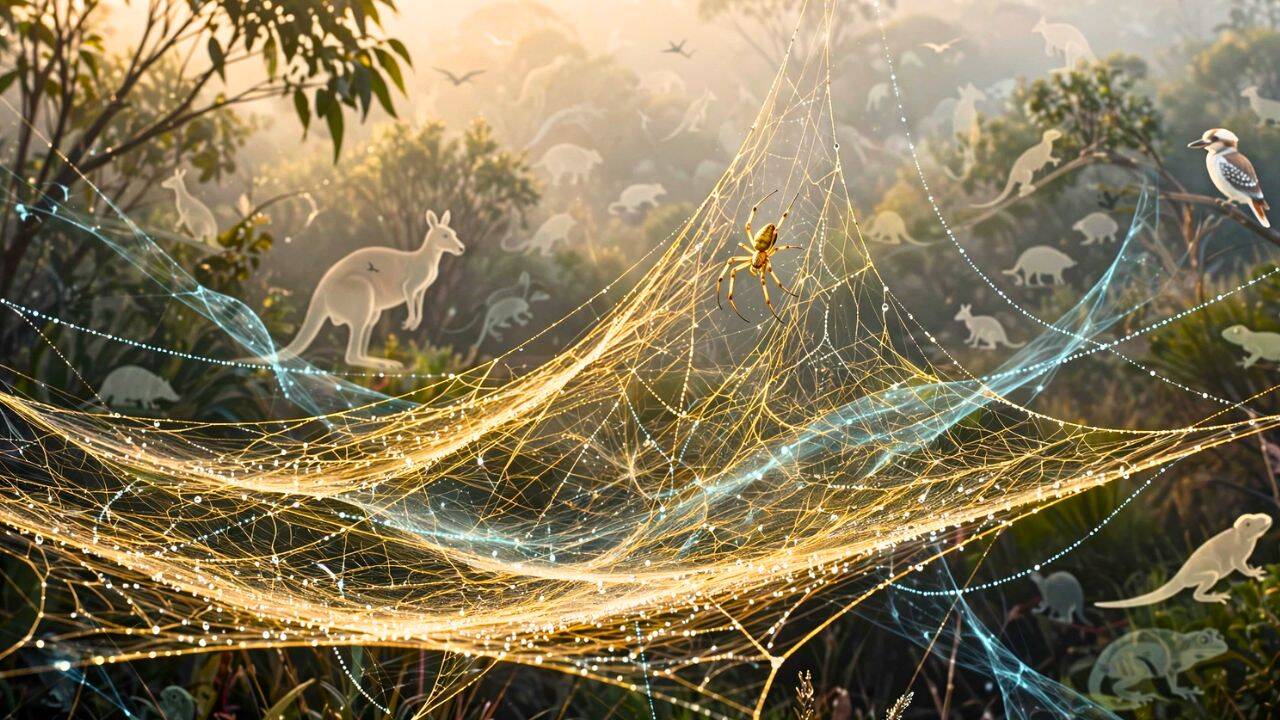
Spider web DNA has emerged as a groundbreaking tool in modern conservation science, offering researchers a non-invasive method to monitor local ecosystems. As arachnids spin their intricate traps throughout forests, grasslands, and urban parks, these sticky structures inadvertently capture more than just insects. They act as natural bio-accumulators, collecting airborne particulate matter, skin cells, hair, and other biological residues from nearby animals. This fascinating intersection of arachnology and genomics is transforming how scientists track elusive vertebrate species.

Figure 1: Researchers collecting spider web samples for environmental DNA extraction.
The Australian Wildlife Sanctuary Study
In a recent comprehensive study conducted across various Australian locations, researchers successfully demonstrated the power of this technique. By analyzing web samples gathered from controlled environments such as wildlife sanctuaries and zoological parks, scientists detected genetic material belonging to dozens of distinct vertebrate species. Specifically, the analysis revealed the presence of thirty-two different species residing in sanctuary settings and sixty-one unique species housed within zoo environments. Every single web sample analyzed yielded detectable vertebrate genetic data, highlighting the ubiquity and reliability of this collection method.
Detailed Findings and Species Diversity
The variety of animals identified through environmental DNA testing of webs was astonishingly diverse. From small mammals and birds to larger captive species, the genetic signatures provided a comprehensive snapshot of the surrounding fauna. The quantity of detectable genetic material varied significantly depending on two main factors: the physical size of the animal and its proximity to the web structure. Larger animals shed more substantial amounts of dander and skin cells, while webs positioned closer to enclosures or natural habitats captured higher concentrations of target DNA.
How Spider Webs Collect Genetic Material
Understanding the underlying mechanism requires looking closely at the biological properties of arachnid silk. Silk threads are coated with an aqueous adhesive substance designed to immobilize prey. However, this sticky coating is equally efficient at trapping microscopic environmental particles. Wind currents carry biological debris through the air, where it collides with and adheres to the silken matrix. Once captured, the silk protects the biological material from environmental degradation, shielding fragile genetic strands from ultraviolet radiation and moisture until researchers extract the samples in a laboratory setting.
Laboratory Extraction and Sequencing
Once the webs are safely collected in the field, geneticists use advanced polymerase chain reaction (PCR) and metagenomic sequencing techniques to amplify and identify the trapped material. This process involves the following key steps:
- Careful extraction of silk samples using sterile instruments to prevent human contamination.
- Isolation of total genomic DNA from the sticky matrix.
- Targeted amplification using vertebrate-specific primers.
- High-throughput sequencing to match recovered sequences against comprehensive genetic databases.
Implications for Global Conservation
The ability to utilize spider web DNA represents a paradigm shift in wildlife monitoring and biodiversity assessment. Traditional survey methods—such as camera trapping, spotlighting, and direct observation—can be labor-intensive, costly, and potentially stressful for the animals involved. In contrast, harvesting abandoned or non-critical silk structures causes zero disruption to wildlife. Conservationists can deploy this method to detect invasive species, monitor endangered populations, and catalog elusive nocturnal creatures that rarely cross the path of human observers.
Conclusion
Ultimately, analyzing environmental DNA trapped in spider webs offers an innovative, non-invasive, and highly efficient approach to monitoring biodiversity. As genetic sequencing technologies continue to advance, this method will likely become a standard tool in the conservationist’s toolkit, helping protect fragile ecosystems across the globe.