

Table of Contents
- Introduction
- Historical Context: The 1864 Introduction
- Current Threats to the Swan Galaxias
- Building Trout-Free Havens
- Conclusion
Introduction
Swan galaxias conservation has become a critical priority for wildlife experts in Australia as they race against time to protect one of the region’s most vulnerable freshwater species. With an estimated population of only around 6,000 individuals left in the wild, this tiny, non-migratory fish teeters on the brink of extinction. More than a century and a half of ecological pressure from introduced species has heavily depleted their natural range, prompting aggressive intervention strategies by conservation workers across Tasmania.

Understanding the plight of this native species requires looking back at colonial history, examining the unintended consequences of sport fishing introductions, and exploring modern engineering and ecological techniques designed to give the fish a fighting chance.
Historical Context: The 1864 Introduction
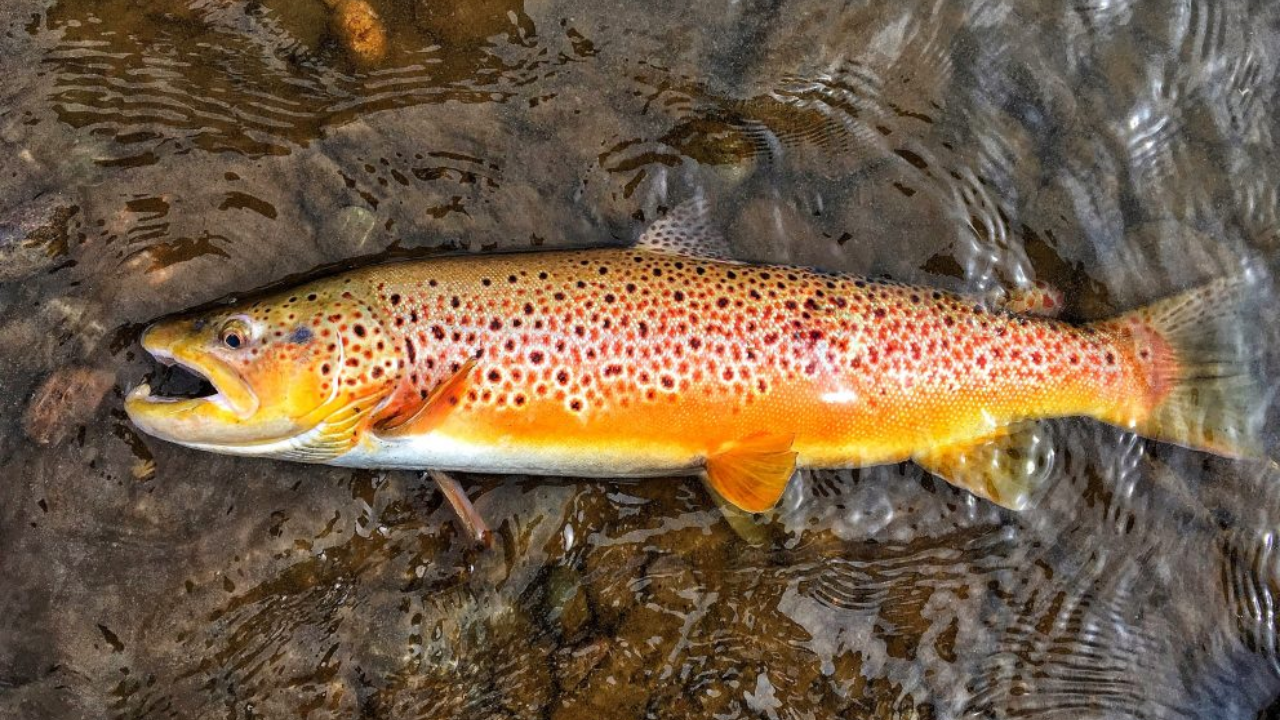
The roots of the current crisis stretch back to 1864, a period when acclimatisation societies actively sought to Europeanize the Australian landscape by importing familiar plants and animals. During this era, brown trout were shipped from England and introduced into Tasmanian waterways to establish recreational sport fisheries.
The Impact of Acclimatisation
While the introduction successfully created a thriving angling culture, it completely disrupted delicate aquatic ecosystems that had evolved in total isolation. Native species like the Swan galaxias, which evolved without apex freshwater predators, proved exceptionally vulnerable to the aggressive predation and competition of brown trout.
Current Threats to the Swan Galaxias
Today, the survival of the species is threatened by more than just introduced predators. Climate change has introduced unpredictable weather patterns, bringing severe droughts that dry up crucial stream habitats and intense floods that can wash away remaining populations.
- Predation by invasive brown trout
- Habitat fragmentation due to human development
- Extreme weather events driven by climate change
- Restricted geographic range leaving populations vulnerable to single-point disasters
Building Trout-Free Havens
To combat these compounding threats, conservation teams are actively constructing artificial barriers and clearing waterways to establish secure, trout-free sanctuaries. By carefully relocating vulnerable fish into isolated, secure catchments, scientists hope to build resilient, self-sustaining populations safe from invasive predators.

These intensive management actions successfully balance the cultural traditions of regional angling with the urgent, non-negotiable imperative of native wildlife preservation.
Conclusion
The ongoing battle to save the Swan galaxias highlights the complex challenge of reversing historical ecological mistakes. Through targeted habitat restoration, the creation of secure barriers, and careful population management, conservationists offer a powerful blueprint for protecting fragile biodiversity against the pressures of invasive species and environmental change.