

Table of Contents
Feeding backyard wildlife is a popular hobby, but setting up wild bird feeders can inadvertently introduce unseen hazards to local avian populations. While offering seeds and fresh water provides helpful support during harsh weather, these communal hubs frequently transform into breeding grounds for dangerous pathogens. Understanding how these feeding stations impact wildlife health allows nature enthusiasts to enjoy birdwatching responsibly while safeguarding vulnerable species from fatal infections.
Understanding the Hidden Threat of Wild Bird Feeders
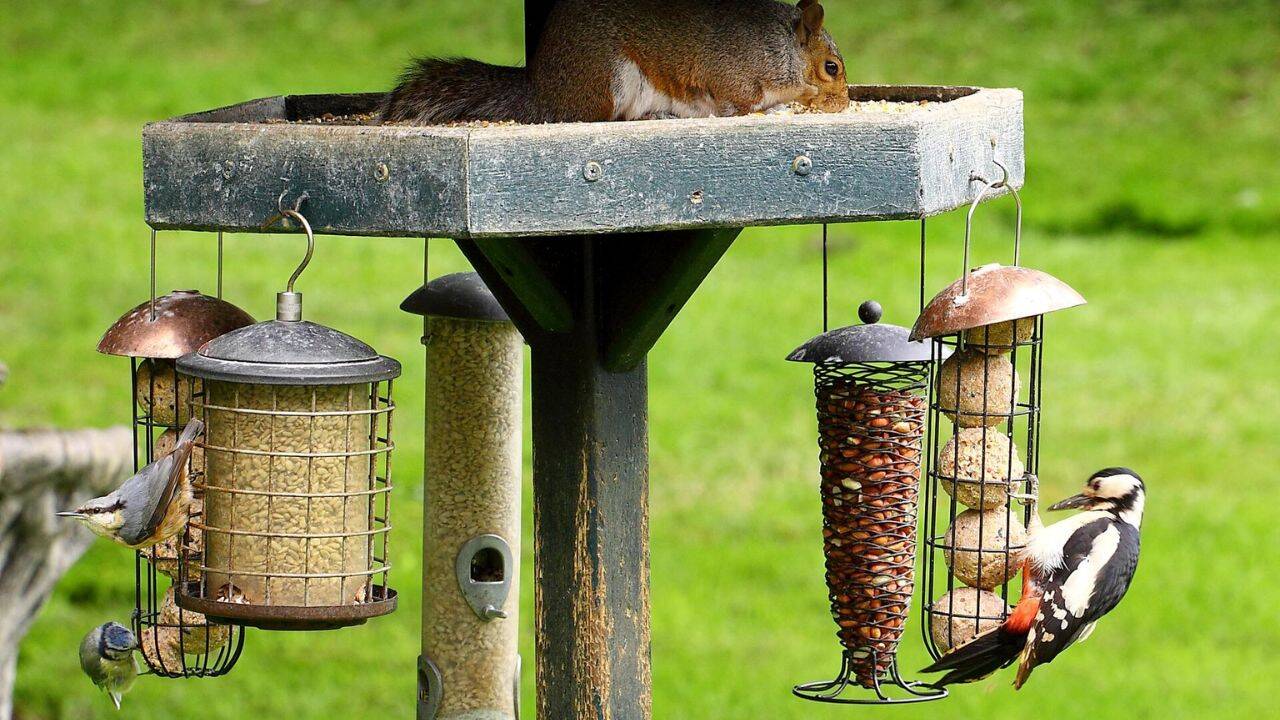
For many nature lovers, hanging a tray of sunflower seeds or setting out a gleaming birdbath brings vibrant life to the garden. However, recent scientific findings highlight a troubling downside to these artificial provisions. When numerous birds gather tightly around a single food source, the likelihood of pathogen transmission skyrockets.
Wild bird feeders concentrate populations far beyond natural densities. In the wild, animals forage across expansive territories, naturally limiting the spread of contamination. Backyard stations condense this activity into square inches, creating a microscopic battleground where harmful protozoa and bacteria thrive.
The Mechanics of Disease Transmission
Pathogens often spread through droppings, saliva, and contaminated moisture. When an infected animal visits a station, it leaves behind microscopic agents of disease. Subsequent visitors ingest these pathogens while foraging or drinking.
Trichomonosis and salmonellosis represent two primary threats linked directly to unhygienic feeding stations. These afflictions cause severe internal distress, often leading to rapid population declines among localized flocks.
How Parasites Spread at Feeding Stations
Parasitic organisms require specific conditions to jump from host to host, and backyard feeding stations often provide ideal environments. Water basins are particularly notorious for harboring microscopic threats if left unattended.

Caption: Backyard feeding setups require rigorous maintenance to prevent disease spread.
Stagnant water mixes with organic debris, bird droppings, and feathers, creating a toxic soup. Microscopic parasites multiply rapidly in this environment, turning a life-giving water source into a hazardous vector for disease.
Key Pathogens of Concern
Avian researchers point to several specific organisms that proliferate around poorly maintained feeding hubs:
- Trichomonas gallinae: A flagellated protozoan that affects the upper digestive tract.
- Salmonella enterica: Bacteria causing severe inflammation of the intestinal tract.
- Avian Poxvirus: A slow-spreading virus causing wart-like growths.
- Aspergillus fungi: Molds growing on damp, spoiled seed.
7 Essential Safety Tips for Bird Feeding
Responsible wildlife observation requires proactive measures. Implementing proper hygiene protocols ensures that backyard assistance remains genuinely beneficial rather than detrimental.
- Sanitize Regularly: Clean feeding trays and water basins weekly using a weak bleach solution, rinsing thoroughly afterward.
- Prevent Overcrowding: Spread multiple smaller stations across your yard to disperse flocks and reduce close contact.
- Keep Food Dry: Choose weather-resistant designs to prevent seeds from molding during rainy periods.
- Change Water Daily: Empty and scrub birdbaths every day to stop stagnant water parasites from developing.
- Clear Ground Debris: Sweep up discarded hulls and droppings beneath hanging units frequently.
- Rotate Feeding Sites: Move structures periodically to prevent pathogen accumulation in the soil below.
- Pause During Outbreaks: Remove all stations temporarily if sick animals appear in your yard.
The Broader Ecological Impact
The consequences of contaminated feeding stations extend beyond individual gardens. Localized outbreaks can decimate regional populations of vulnerable species. Furthermore, habituating wildlife to artificial food sources alters natural migration and foraging behaviors.
Conservationists emphasize that supplemental feeding should complement, rather than replace, natural habitats. Planting native flora provides sustainable nourishment without the high contamination risks associated with artificial structures.
Balancing Enjoyment and Responsibility
Observing backyard wildlife offers profound mental health benefits and fosters a deep connection to nature. By adopting rigorous cleanliness habits, enthusiasts can protect local ecosystems while enjoying their favorite pastime.
Conclusion
While wild bird feeders bring joy and educational value to millions of households, they demand attentive management to prevent fatal outbreaks. By acknowledging the hidden risks of parasites and implementing strict sanitation routines, caretakers ensure their backyard visitors remain healthy and thriving for years to come.